
Ever wonder if your cat might be missing a key nutrient? Many cats don't get all the vitamins they need from their food, which can leave gaps in energy, skin, and joint health.
Think of it like your car needing quality fuel to run well. When your cat's vitamin needs are met, they can stay energetic and healthy all day.
In this article, we look at how adding vitamins to your cat’s diet can boost their overall health and keep them active.
Overview of Cat Vitamin Benefits
Natural vitamins for cats are important in keeping them healthy. Many cats do not get all the nutrients they need from their meals. Vitamins and minerals fill in these gaps, helping to keep their bodies balanced and their energy steady. This allows everyday activities to go smoothly.
Vitamins also help improve skin, fur, and the overall function of the body. They support a healthy coat, a stronger immune system, and proper vision, heart, and joint function. Vitamins that boost immunity help your cat fight off common illnesses, leading to a more active and cheerful pet.
Sometimes, extra vitamins are needed. Older cats or those with issues like skin irritations or joint pains might not receive enough nutrients from food alone. In these cases, a special vitamin plan can offer vital support. Always check with your vet before using supplements to ensure your cat gets just the right amount without any risk of excess.
Fat-Soluble Vitamin Benefits for Cats
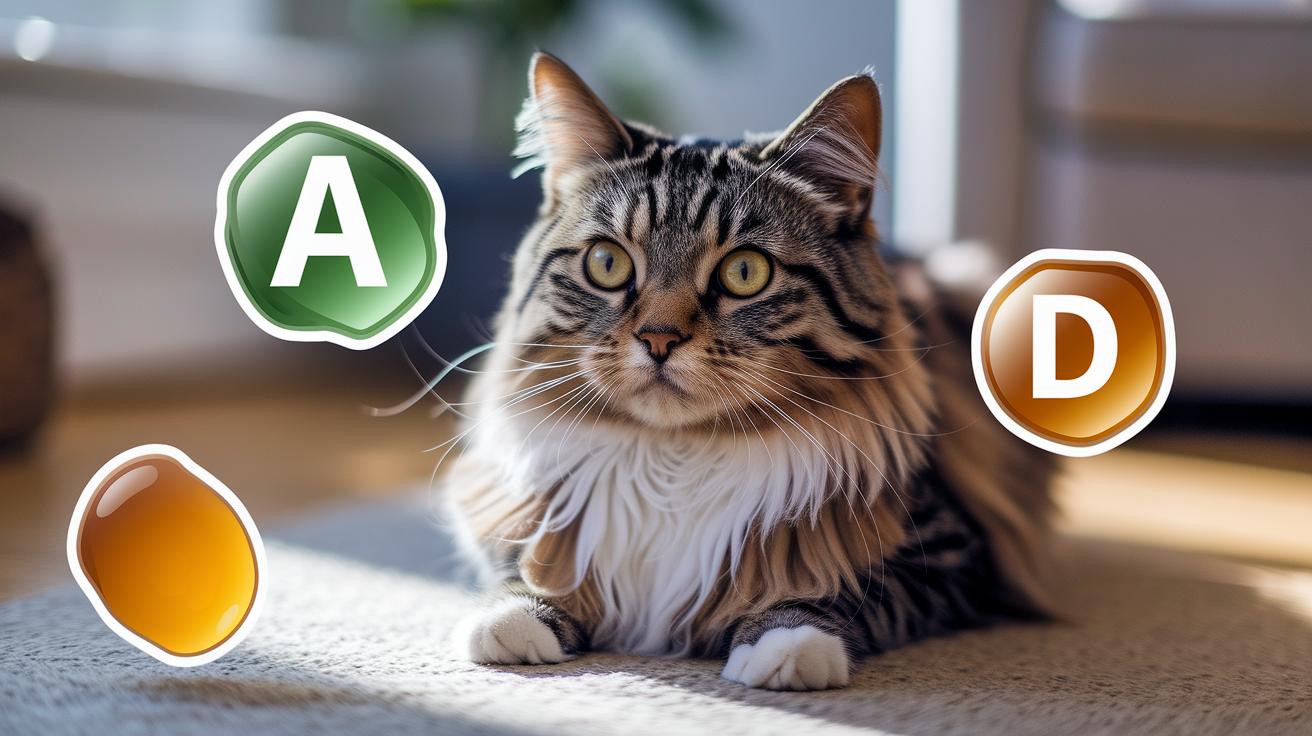
Fat-soluble vitamins, which include A, D, E, and K, are key to your cat’s well-being. These vitamins are kept in the cat’s fat tissues and help support many important body functions.
Vitamin A boosts your cat’s immune system. It also helps keep their skin healthy and fur shiny. Cats that get enough vitamin A often look livelier and may have fewer issues like urinary tract infections. This vitamin is especially important for older cats to stay strong and handle everyday challenges.
Vitamin D is vital for calcium absorption (calcium is the mineral that builds strong bones). It helps form strong bones and teeth, so cats with good vitamin D levels tend to move around with ease. This vitamin can lower the risk of bone problems and other issues related to low calcium.
Vitamin E and vitamin K work well together. Vitamin E acts as an antioxidant, which means it helps protect your cat’s cells from harmful molecules. Vitamin K helps with blood clotting, so it speeds up healing after minor injuries. Together, they help keep the bones strong and help your cat recover from small bumps and scrapes.
Water-Soluble B-Complex Vitamin Advantages for Cats
Water-soluble B vitamins give your cat the energy it needs, help keep its metabolism in check, and support a shiny coat. They work by turning food into fuel so your cat can play and explore with ease. These vitamins also help with growth and repair, ensuring your pet’s nerves, skin, and overall body stay in top shape.
- B1 (Thiamine): Helps process carbohydrates and may lower the risk of seizures from a deficiency.
- B2 (Riboflavin): Turns food into energy for growth and reproduction.
- B3 (Niacin): Aids in burning fat, which supports healthy skin and brain function.
- B5 (Pantothenic Acid): Fuels energy production while protecting skin and fur with antioxidant benefits.
- B6 (Pyridoxine): Breaks down fats like L-carnitine and helps fight cell stress.
- B7 (Biotin): Boosts keratin production that improves hair and coat quality.
- B9 (Folic Acid): Helps prevent growth issues in kittens, such as neural tube and heart defects.
- B12 (Cobalamin): Supports the creation of red blood cells, keeps nerves working properly, and assists overall growth.
Together, these vitamins make it easier for your cat to use its food effectively and keep its immune system strong. They lower tiredness and help maintain a smooth coat and healthy skin. This nutritional boost is especially useful for active cats or those with extra energy needs, ensuring that every bite counts towards a happier, healthier pet.
Safe Cat Vitamin Supplementation and Hypervitaminosis Risks
Vitamin supplements can help fill any gaps in your cat's diet, but their food should still be the main source of all the vitamins and minerals. Good quality cat food comes with many built-in nutrients that support a cat's growth and energy. Use supplements only when your veterinarian points out a specific need.
Taking in too many vitamins can lead to hypervitaminosis, which is a harmful condition caused by vitamin overdose. Look out for signs such as vomiting, diarrhea, a drop in appetite, and unexpected weight loss. In serious cases, too many vitamins may strain your cat’s liver and kidneys and cause long-term damage. Catching these symptoms early can help prevent further issues.
Before you start any supplement plan, always check with your veterinarian. They can guide you in choosing the right dosage based on your cat’s age, health, and dietary needs. Regular vet visits and monitoring your cat's health are key to ensuring a safe and effective vitamin intake.
Diet Versus Supplements: Integrating Vitamins into Feline Meals
Fortified cat food made with low-temperature methods keeps key vitamins like vitamin A and the B-complex intact. Foods that are cold pressed or gently cooked hold on to these nutrients much better than high-heat options. This means your cat eats a diet that naturally supports a shiny coat, steady energy, and overall body health.
When your cat’s food isn’t enough, a well-chosen supplement can help fill the gap. For example, one cat with a dull coat and low energy perked up after six weeks with a vet-recommended Omega-3 boost. Supplements like this act as a precise tool to add extra vitamins when even quality food might not meet all needs.
Veterinary Insights on Choosing Quality Cat Vitamin Supplements
Top-quality cat vitamins are proudly made in the USA and even carry backing from veterinary pharmacists. Many pet owners choose these supplements because they help boost the immune system, improve skin, fur, and nail health, smooth out digestion, and strengthen bones and joints. Look for products that list all ingredients and explain their quality checks. This extra info shows that the makers have taken care to meet your cat's specific needs. A history of good reviews and expert support also gives you peace of mind.
When you check labels, keep an eye out for detailed manufacturing info and clear dosage instructions. If a product claims benefits like joint support or a shinier coat, it usually means they have solid research behind those claims. Precise serving sizes and directions on how often to use the supplement mean it’s designed for safe, long-term use. Also, look for seals of approval from vets, as these marks show the product meets high standards.
It’s a smart idea to talk with your vet about any supplement plan. A vet can look at your cat’s overall diet and health to recommend a vitamin plan that covers all nutritional needs without giving too much or too little. This advice helps ensure the supplement’s ingredients and amounts match your cat’s age and health profile.
Final Words
In the action, we showed how vitamins boost your cat’s skin, coat, energy, and immune function. The blog broke down the roles of fat-soluble vitamins and detailed the B-complex essentials while stressing safe supplement practices and vet guidance.
We also compared whole foods to supplements to set a smart vitamin plan. These benefits of vitamins for cats can create real improvements in your pet’s overall health. Enjoy making informed choices and watch your cat thrive.
FAQ
What benefits do vitamins have for cats’ skin and hair?
The benefits of vitamins for a cat’s skin and hair include strengthening cell health, reducing dryness, and promoting a shiny, healthy coat. They also help repair minor skin irritations and boost overall well-being.
What are the best vitamins to boost a cat’s immune system?
The best vitamins for boosting a cat’s immune system often include vitamins A and E along with added antioxidants. They help support natural defenses while working best when paired with a balanced diet and veterinary advice.
What vitamins aid cats in gaining weight?
Vitamins that aid in weight gain support appetite and boost metabolism. B-complex vitamins alongside a nutrient-rich, calorie-dense diet can improve nutrient absorption and promote healthy muscle growth.
What cat supplements work well with homemade food?
Cat supplements for homemade food add vital vitamins and minerals to address any nutrient gaps. They help create a balanced meal plan when natural food sources alone might not meet all dietary needs.
Which are the best cat vitamins and supplements?
The best cat vitamins and supplements are well-formulated multivitamins that cover both fat- and water-soluble nutrients. Look for products with veterinary approval to ensure balanced support without over-supplementation.
Is giving vitamins to cats beneficial?
Giving vitamins to cats can be beneficial when their diet lacks complete nutrition. Supplements should be used only after consulting your vet to avoid excessive intake and health risks.
What does the 3-3-3 rule mean for cats?
The 3-3-3 rule for cats outlines a balanced approach to diet and nutrient intake, though details can vary. Always check with your vet to clarify how to best implement this guideline for your pet’s needs.
Can I administer vitamins to my cat daily?
Daily vitamin use for cats is acceptable only with veterinary guidance. Overuse can lead to excess vitamin accumulation, so proper dosage and periodic evaluation are essential for safety.
What is known as the silent killer in cats?
The silent killer in cats is often undiagnosed kidney disease, which can progress without obvious symptoms. Regular check-ups and balanced nutrition, including essential vitamins, help detect and manage the condition early.