
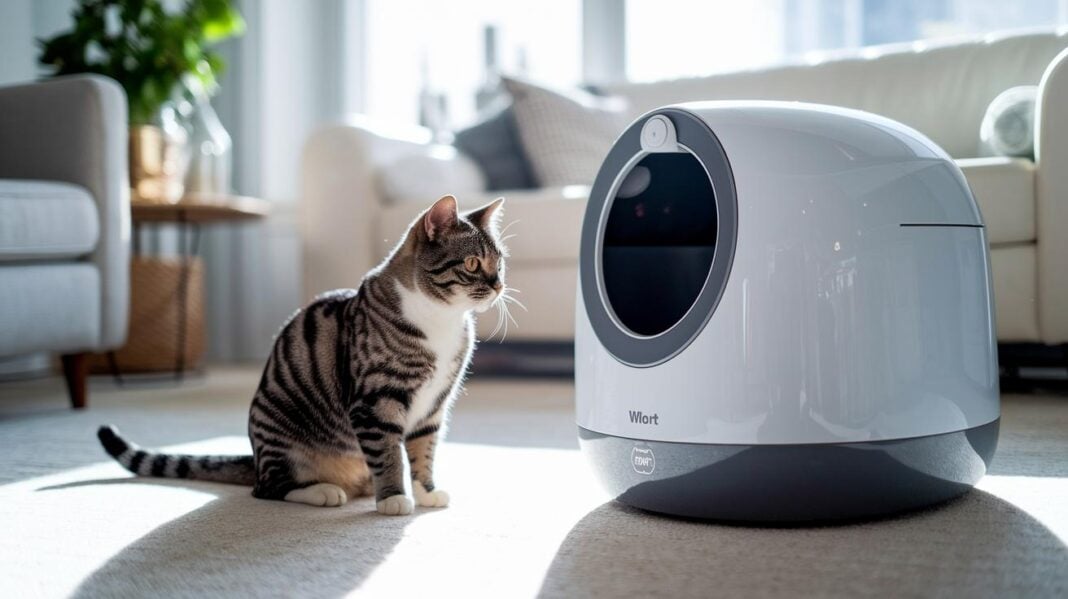
Quick verdict: If you're tired of endless litter scooping, an automatic cat litter box is worth a look. It cleans quietly and keeps your home smelling fresh while saving you time.
At a glance:
- We tested seven models with smart sensors (tech that helps detect and clean up messes)
- Options include models for single cats and multi-cat households
- Easy to set up in any space
Why we tested it:
We know how busy life can be, and constant litter scooping only adds to the stress. Our goal was to find boxes that simplify pet care so you can spend more time with your furry friend.
Pros:
- Cuts down on daily cleaning time
- Operates quietly with smart sensors
- Suitable for homes with one or many cats
Cons:
- Some models might need a bit of practice to set up properly
Bottom line:
If you want a fresher home and less time spent scooping litter, these boxes can make your life easier. Give one a try and enjoy more quality time with your cat.
Top Rated Automatic Cat Litter Box Models for Effortless Cleaning
If you want to save time on daily scooping and keep your home smelling fresh, an automatic litter box is a smart choice. We looked for models that use sensors to clean, run quietly (under 60 dB), and manage waste well. We also checked how long they last, how easy they are to clean, and if they have enough room for adult cats.
Each model brings something unique to the table. Our top pick, the Whisker Litter-Robot 4, uses a rotating barrel with a 3- to 15-minute delay and offers an optional carbon filter to cut down on odors. If you live in a small space and have more than one cat, the PetKit PuraMax 2 works great with its compact design. The HomerunPet CS106 makes life easier with a built-in self-refilling hopper. For those watching their budget, the Petpivot AutoScooper 11 works well for under $200, while the Neakasa M1 offers sensitive sensors and a large waste drawer at a great price.
Check out the table below for a quick look at these five models. It shows price range, how many cats they support, main features, and which living spaces they best suit. Use it to find the box that matches your home and your cat’s habits.
| Model | Price Range | Capacity (# cats) | Key Feature | Best For |
|---|---|---|---|---|
| Whisker Litter-Robot 4 | $500–$700 | Up to 3 | Rotating barrel with adjustable 3–15 min delay & OdorTrap option | Premium, tech-savvy homes |
| PetKit PuraMax 2 | $400–$600 | Up to 2 | Compact design for multi-cat households | Small spaces & apartments |
| HomerunPet CS106 | $500–$700 | Up to 3 | Built-in self-refilling hopper | Owners wanting hassle-free cleaning |
| Petpivot AutoScooper 11 | Under $200 | 1 | Affordable auto-scooping technology | Budget-conscious owners |
| Neakasa M1 | $250–$350 | Up to 2 | Sensitive sensors and large waste drawer | Advanced features on a budget |
How Automatic Cat Litter Box Technology Works

Most auto-clean litter boxes work with smart sensors. They use weight sensors (set for about 5 lbs) and motion or infrared sensors to know when a cat leaves the box. For example, the box first senses the cat's weight and then lets an infrared beam check that the area is clear before it starts cleaning.
Once your cat is out, the litter box waits for a set time, usually 3 to 15 minutes, to be sure your pet does not return during cleaning. After the pause, a motor turns a barrel or pushes clumped litter into a waste drawer that locks in smells. The waste drawer keeps your home smelling fresh. There is also a sleep mode that pauses cleaning for up to eight hours, which helps lower noise at night. Typically, these boxes run at less than 60 dB, so they stay quiet and calm.
The design uses reliable sensors to stop cleaning if any movement is picked up. This smart system helps avoid starting the cycle too soon and lowers the chance of litter being tracked around your home. It offers a simple, hands-off way to keep your cat’s area clean and your living space fresh.
Key Features to Look for in an Automatic Cat Litter Box
When you’re shopping for an automatic litter box, the first thing to check is how well it controls odors. Look for features like built-in carbon filters or systems that trap ammonia. In simple terms, these parts lock in smells so your home stays fresh even after many uses.
Energy use is another key point. Opt for models with efficient motors and a standby mode. This design helps the box run continuously without using too much power and keeps the noise low (about 60 dB or less). A quiet unit can make all the difference, especially if your cat is easily startled.
Eco-friendly waste management matters too. Many top models come with recyclable waste trays and suggest using crystal or clumping litter (litter that gathers clumps for easy cleaning). You can usually set the cleaning cycles and sensor sensitivity to match your needs. Whether you have one cat or several, these options let you tailor the box’s performance to your home.
In short, choose a unit that balances odor control, energy efficiency, quiet operation, and eco-friendly design. That way, you get a litter box that meets your lifestyle demands while keeping your cat comfortable.
Setting Up and Maintaining Your Automatic Cat Litter Box
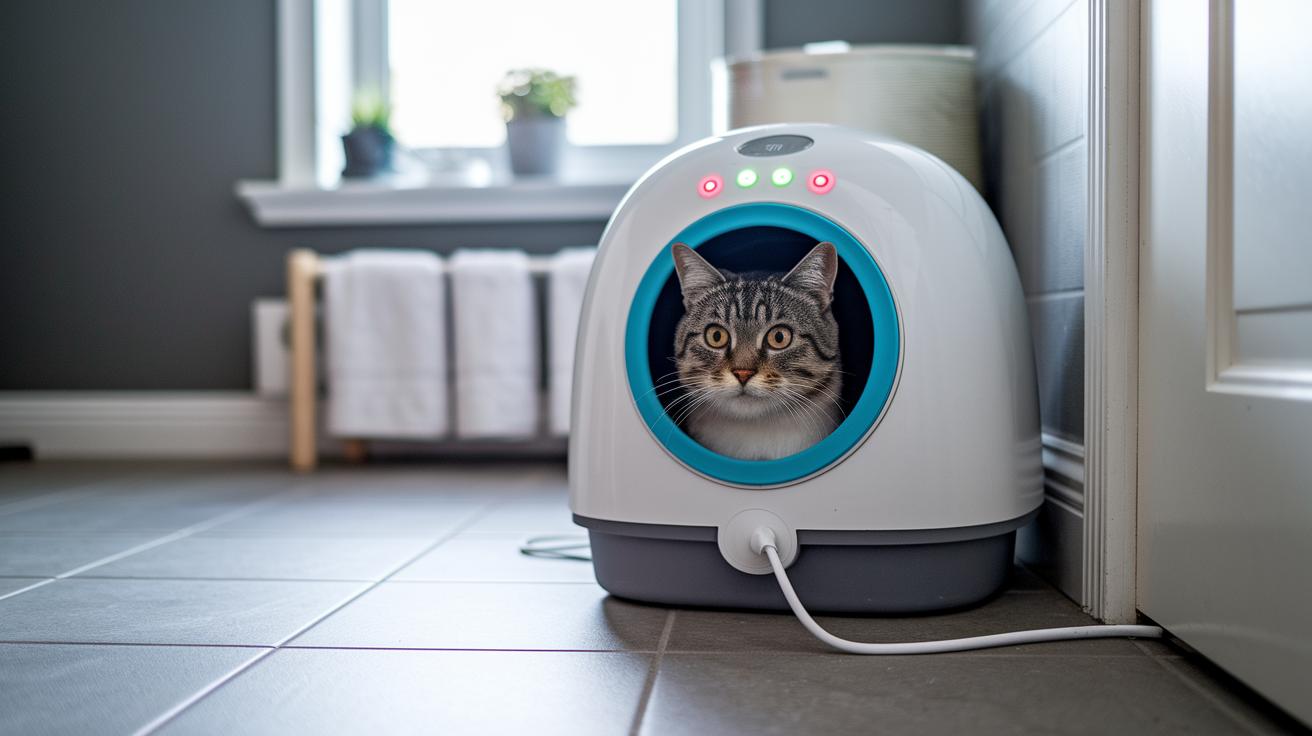
Start by placing your automatic cat litter box on a flat, stable surface. This helps the sensors work properly. Next, hook it up to power or pop in the right batteries. Pour in the clumping or crystal litter to the depth the manual suggests. This depth makes sure the self-cleaning tray does its job. Follow the manual to set the sensor values and choose how long the cleaning delay should be. You might want to set a sleep mode at night, like setting an alarm so your cat can sleep undisturbed.
- Put the box on firm, level ground.
- Connect it to power or install batteries.
- Add the right type and amount of litter.
- Calibrate sensors and set the delay as directed.
- Run a test cleaning cycle without any waste inside.
To keep odors away and the unit efficient, empty the waste drawer every 3 to 7 days, depending on how many cats use the box. Wipe down the barrel, rakes, and sensor probes about once a month using the cleaning kit and steps noted in the manual. Setting up any alerts, if the box offers them, helps you know when it needs care. Regular cleaning not only helps the machine last longer but also keeps your cat’s space fresh and tidy.
Pros and Cons of Using an Automatic Cat Litter Box
Automatic cat litter boxes make life easier by handling the scooping for you. They work quietly in the background, keeping litter areas fresh and clean. This design is great if you’re busy or travel a lot since it cuts down on daily chores.
At a glance:
- Saves you time by skipping daily scooping
- Keeps odors in check for a fresher home
- Promotes better hygiene for both cats and people
- Perfect for busy households and travelers
We enjoyed that these models allow you to be hands-off. You get to focus on other tasks without worrying about cleaning up after your cat every day.
However, there are a few things to think about:
- They come with a high upfront cost, usually between $200 and $700.
- They might make some mechanical noise during use.
- The sensors sometimes need recalibration for smooth operation.
- They are generally not a good fit for very small kittens (under about 5 lbs).
Cost and Value Comparison of Automatic Cat Litter Box Models
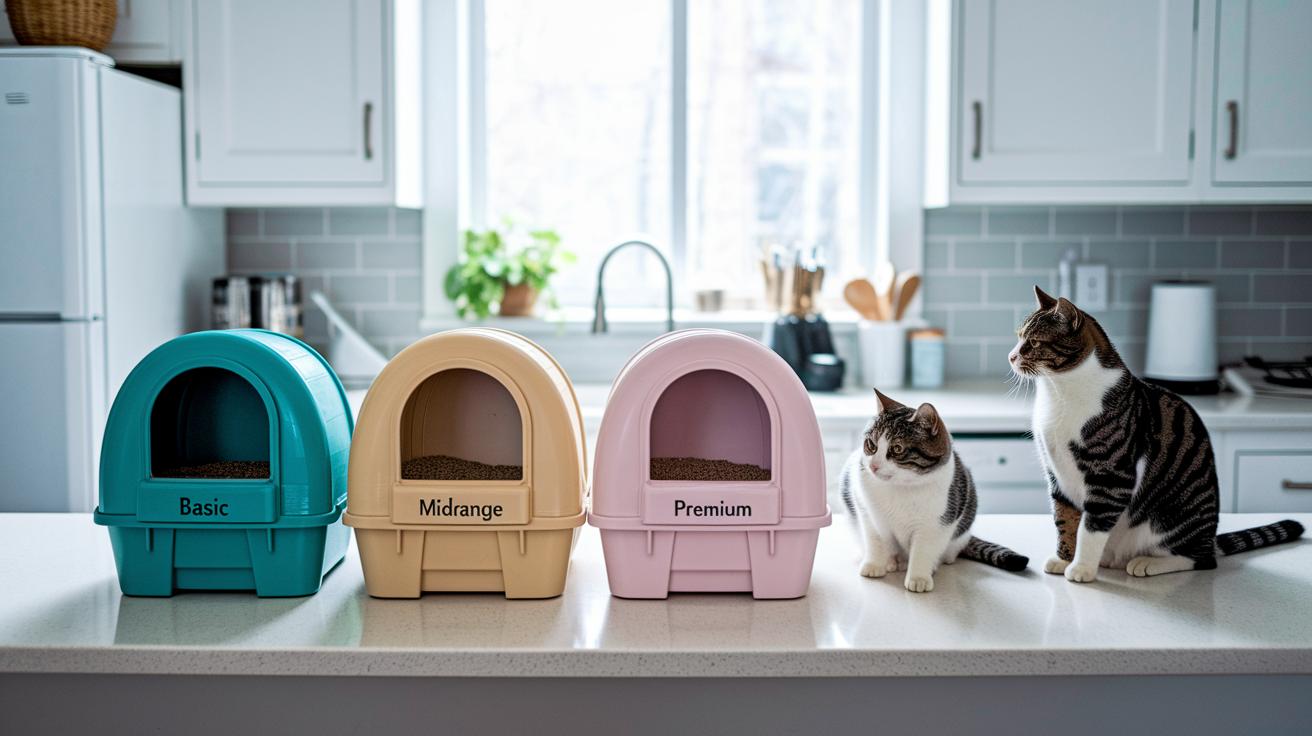
Picking an automatic cat litter box means balancing how well it cleans with its cost. Basic models cost under $200. They have simple sensors and small waste trays that work well for one or two cats. These boxes are a good start if you are new to self-cleaning litter boxes.
Mid-range models cost between $400 and $500. They hold more litter and come with extra features like better odor filters. This makes them a strong choice for households with more than one cat. They clean well while keeping odors and litter spread under control.
Premium models cost over $500. They boast stronger build quality and have extra sensors along with smart features like Wi-Fi connectivity and longer warranties. These models are designed to last longer and need less upkeep every month. Their value is measured by how they hold up over time, how clean they stay, and how well they prevent litter from spreading.
| Model | Price | Value Rating (1–5) | Warranty | Estimated Monthly Maintenance Cost |
|---|---|---|---|---|
| Whisker Litter-Robot 4 | $500–$700 | 4.5 | 1 year | $15 |
| PetKit PuraMax 2 | $400–$600 | 4.0 | 1 year | $12 |
| HomerunPet CS106 | $500–$700 | 4.2 | 1 year | $15 |
| Petpivot AutoScooper 11 | Under $200 | 3.5 | 6 months | $8 |
| Neakasa M1 | $250–$350 | 3.8 | 1 year | $10 |
Safety and Health Considerations for Automatic Cat Litter Boxes
Automatic cat litter boxes do more than save you time. They help keep your cat's space clean and reduce dust and germs in your home. This regular cleaning can also support your cat's urinary health and overall well-being.
These boxes use smart sensors that only start the cleaning cycle when your cat is safely away. This careful timing stops the box from starting too soon and upsetting your pet. For example, one model waits until its sensor shows that the box is empty before cleaning.
• Most makers suggest using these boxes for cats over six months old that weigh more than five pounds.
• The built-in technology cuts down on dust and germs, which is good for both your cat and family members with allergies.
• A sleep mode feature keeps the machine quiet at night for an undisturbed rest.
By making daily upkeep easy, these automatic litter boxes give your cat a safe, clean spot to do its business. Their smart design not only cleans the litter box but also helps improve the air in your home.
Final Words
In the action, we reviewed top-rated automatic cat litter box models, delving into smart sensors, odor control, and simple maintenance tips.
We weighed pros like effortless cleaning against cons like upfront costs and occasional noise. Our breakdown looked at setup, safety, and cost comparisons so you can choose what fits your pet and budget.
Enjoy a cleaner home and happier pet with an automatic cat litter box that meets your family’s needs.
FAQ
Q: Where can I find automatic cat litter boxes online, including on Amazon, Costco, Walmart, or on sale?
A: The automatic cat litter boxes are available on major retailers such as Amazon, Costco, and Walmart, with frequent sales offering competitive pricing. Check each site for deals and product features to compare.
Q: What is the best automatic cat litter box option for both single and multiple cats?
A: The best automatic cat litter box option depends on your household needs. Many top models excel with multiple cats thanks to strong odor control, reliable sensors, and efficient cleaning cycles.
Q: What do discussions on Reddit reveal about automatic cat litter boxes?
A: The automatic cat litter boxes discussed on Reddit are praised for ease of use and effective cleaning, though users note that periodic sensor recalibration can be necessary for optimal performance.
Q: What features do Meowant and CATLINK automatic cat litter boxes offer?
A: The Meowant and CATLINK cat litter boxes offer innovative cleaning technology with quiet operation and efficient waste management, making them appealing for pet owners looking for hassle-free maintenance.
Q: What benefits do the Neakasa litter box models, including the M1, provide?
A: The Neakasa litter boxes, such as the M1, provide sensitive sensors and a spacious waste drawer. They serve as a budget-friendly option with reliable cleaning performance for many households.