
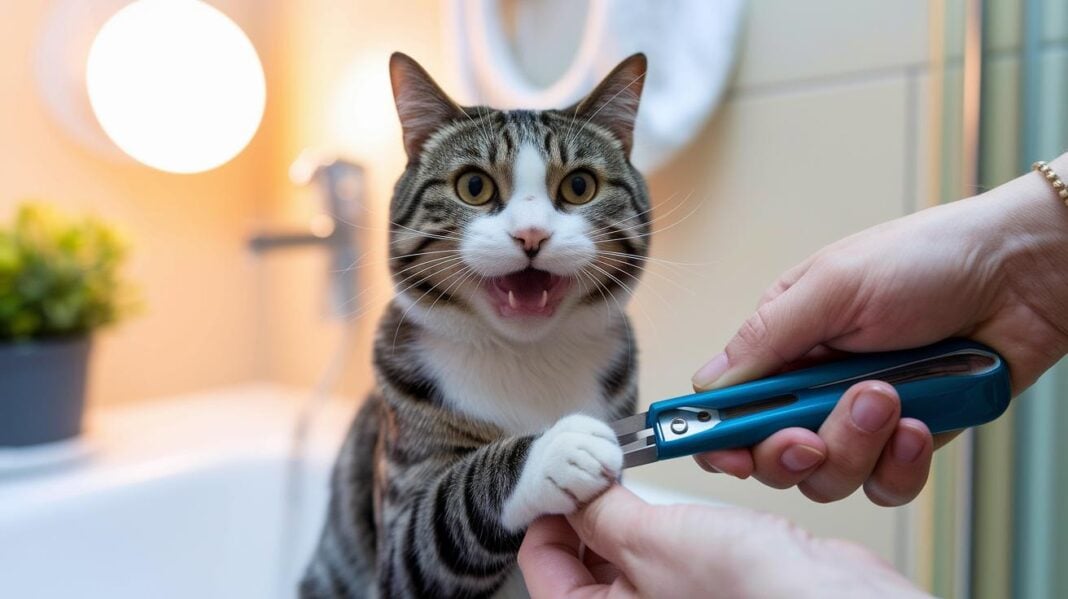
Tired of battling with your cat’s claws every time? We were too. That’s why we looked into eight cat nail clippers that make the task easier and even a bit fun.
At a glance:
- Sharp stainless-steel blades that cut cleanly (no ragged edges)
- Cushioned grips for a steady hold
- Some even have LED lights to help in dim areas
We tested these clippers with real cats and real situations. Our goal was to find tools that offer good control and comfort so your cat feels safe.
Quick verdict: If you want a tool that can turn nail trimming from a hassle into a bonding moment, these clippers are worth considering.
Get ready to find the clipper that turns a stressful chore into quality time with your furry friend.
cat nail clippers Spark Joy in Every Trim
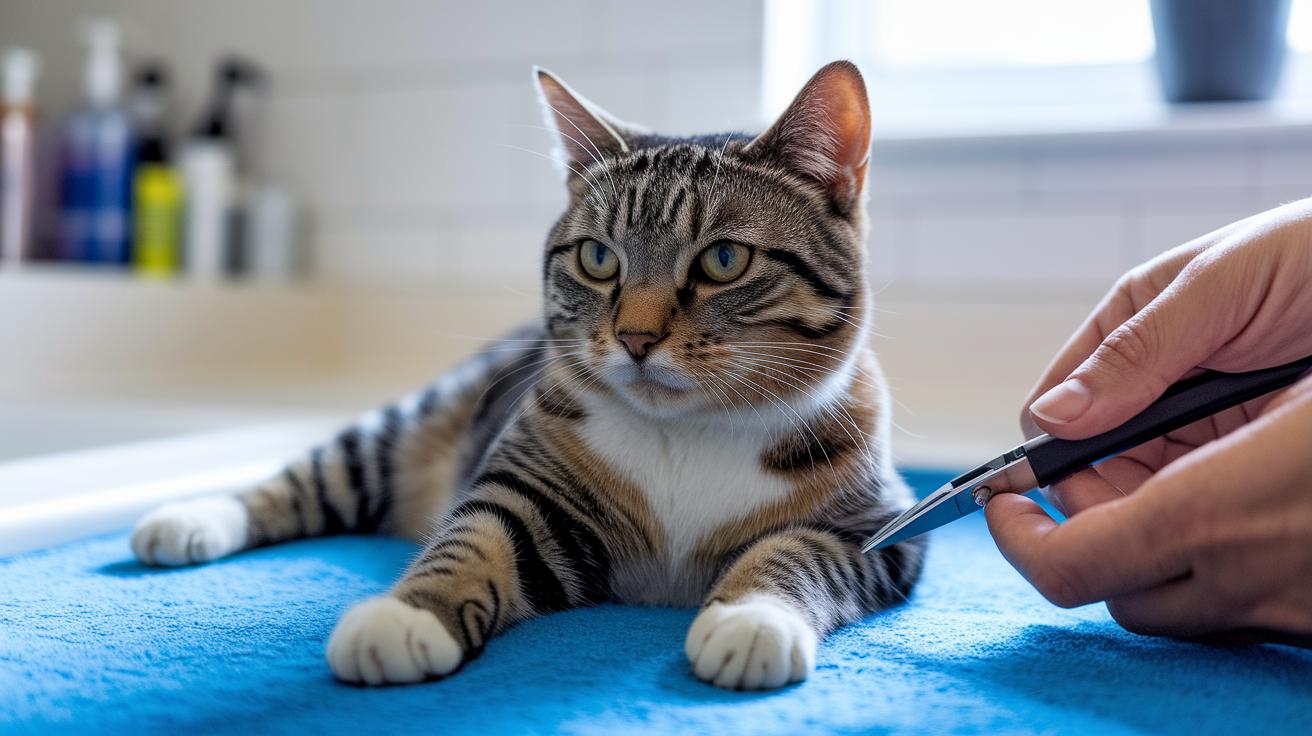
Trimming your cat’s nails doesn’t have to be a hassle. We’ve gathered eight well-rated clippers that fit every budget and style, so you can find one that works perfectly for your pet. Some models offer sharp stainless-steel blades, while others add cushion grips and spring action for extra control. You can choose a scissor-style clipper for its easy handling or a plier-style design if you need a precise cut.
A few options even come with extra features like built-in LED lights for low-light grooming and adjustable parts for extra comfort. Each tool is picked to help you trim nails quickly, keeping your cat calm and happy. See the table below for an at-a-glance look at each model and its key feature.
| Category | Model | Highlight |
|---|---|---|
| Overall Best | Safari Professional | Sharp blades, spring action |
| Best Budget | Hertzko Scissors | Affordable scissor-style |
| Most Comfortable | Pet Republique | Cushion grips |
| Most Adjustable | Zen Junior | Adjustable wheel |
| Best Grinder | PATPET N8 | Quiet gradual sanding |
| LED Feature | Pawsibility | Built-in light |
| Best Scissor-Style | SHINY PET | Ease of cutting |
| Best Plier-Style | Gonicc | Precision blades |
Selecting the Right Cat Nail Clippers: Key Features to Consider
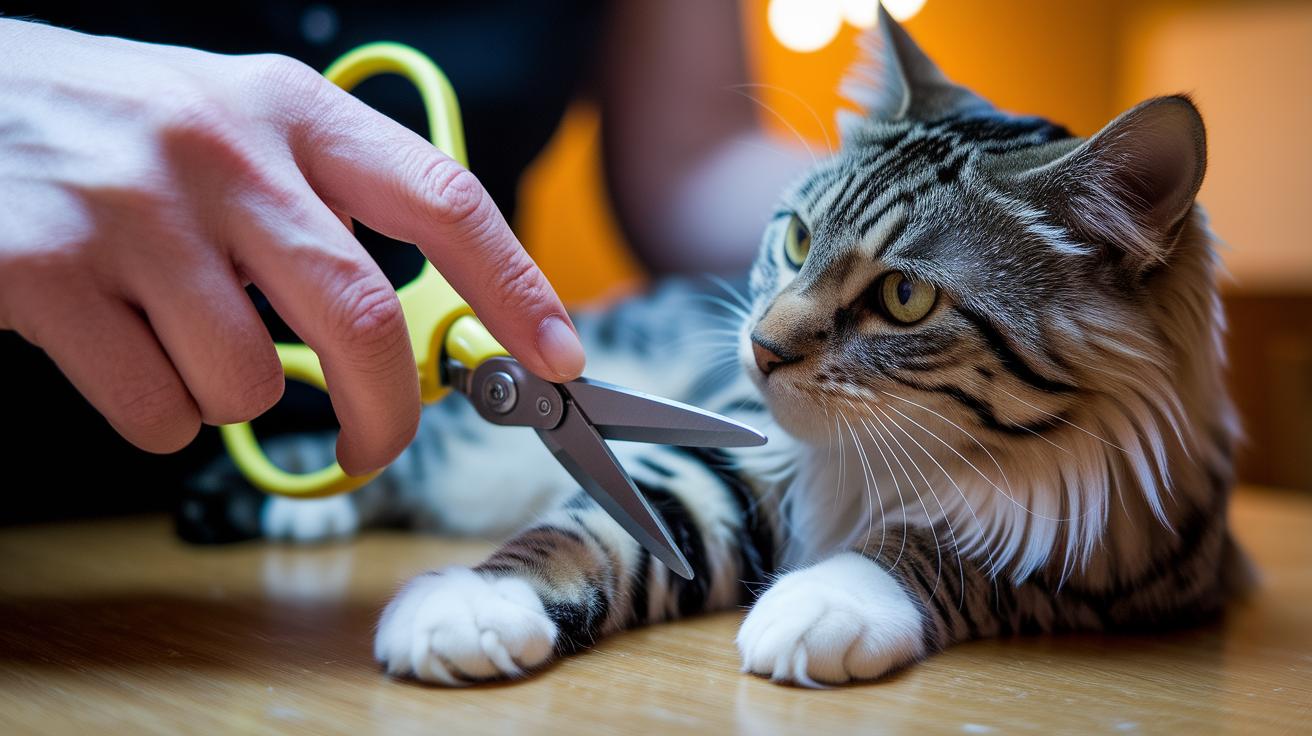
Finding the right nail clipper for your cat can make a big difference during grooming. You need a tool that fits your cat's nails and your way of handling it. Whether you prefer a simple scissor-style clipper or an automatic nail grinder, here are the main features to think about.
When it comes to blades, different styles work in different ways:
- Scissor clippers have straight stainless-steel blades that cut smoothly but need careful handling.
- Guillotine clippers use one moving blade that slides over the nail, making it easy to get a quick snip.
- Plier clippers offer a curved blade for a firm grip and precise trim.
- Rotary grinders use a sanding drum to file the nail gradually, which lowers the chance of cutting too deeply. Note that some cats may be uneasy with the sound from a grinder.
Safety is very important, especially if you're new to trimming your cat's nails. Look for clippers that include built-in safety guards. Many models come with an adjustable gap between the blades, so you can set the right distance to avoid cutting the quick (the sensitive part inside the nail). This feature gives you more control, even when your pet is a little fidgety.
A good grip makes a big difference during lengthy sessions. Choose clippers with spring-loaded or cushioned handles that reduce hand fatigue. Some designs even offer adjustable thumb rests to keep the tool steady when your cat moves unexpectedly.
Modern clippers often pack extra features to improve your grooming experience:
- Integrated LED lights help you see the nail clearly, even in low light.
- Some models allow you to adjust the middle of the clipper for different nail sizes.
- Automatic nail grinders provide a gentle, progressive trim that makes grooming less stressful for your cat.
Taking these features into account means you can pick a clipper that not only keeps your cat safe but also makes the whole process easier and less stressful for both of you. Enjoy a calm and controlled grooming session by investing in a pair of nail clippers that truly fit your needs.
How to Safely Trim Your Cat’s Nails at Home
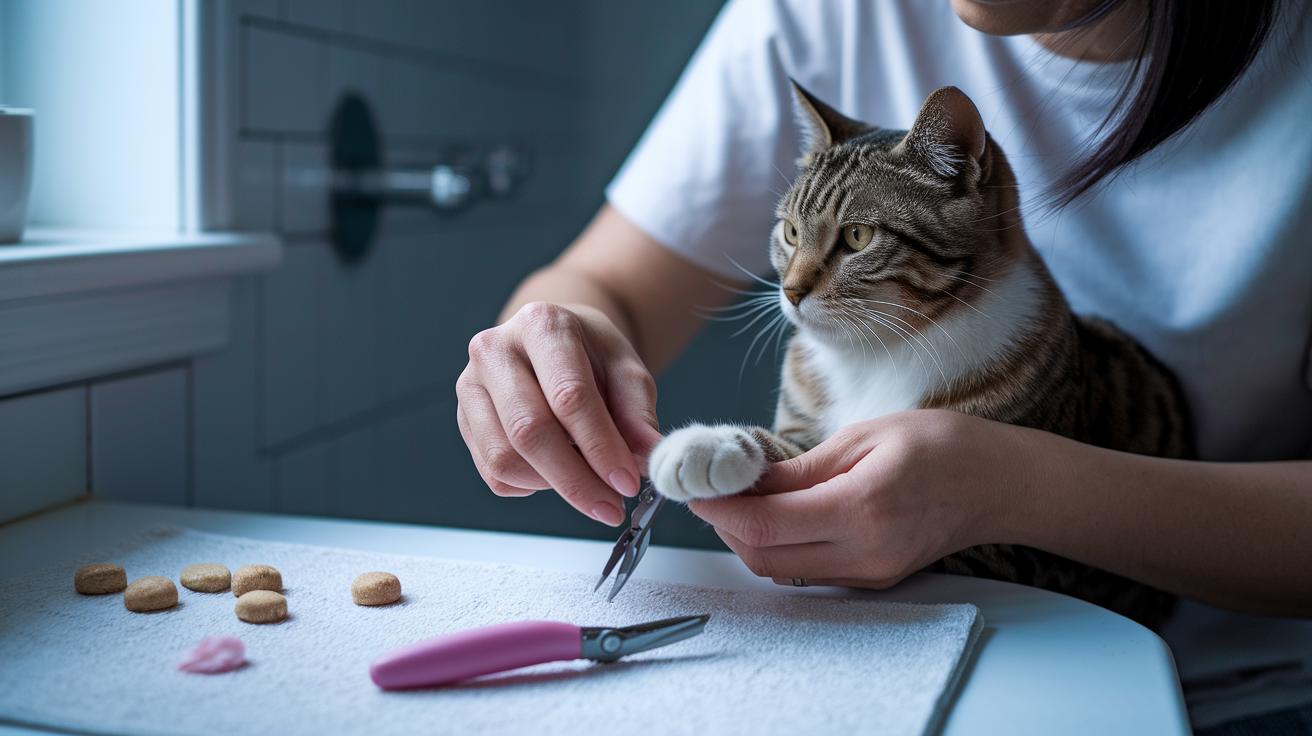
First, set up a quiet space where your cat feels safe. Gently touch your cat’s paws and give small treats to build trust. This way, your cat learns that nail trimming can be a pleasant experience.
Next, get your tools ready and take a close look at your pet’s nails. Find the pink quick (the soft, sensitive part inside the nail) and be careful not to cut into it. Hold the clipper at a 45° angle for smooth, quick cuts. If you prefer a nail grinder, start it on low speed and let your cat get used to the feel.
- Warm up your cat with gentle paw handling and treats.
- Spot the pink quick (the delicate inner part) and avoid it.
- Hold your nail clipper at a 45° angle for precision.
- Use quick, single snips to minimize stress.
- If using a grinder, start on low speed along the nail edge.
- Gradually extend the trimming time as your cat grows more comfortable.
- Stop if your cat shows distress and try again later.
Always work slowly and use positive reinforcement. Take breaks when needed, and keep reassuring your cat throughout the process. This careful approach helps keep nail trimming safe and stress-free for both you and your pet.
Maintenance Tips for Long-Lasting Cat Nail Clippers

Keep your clippers working well by cleaning, oiling, and storing them right. This simple care routine stops rust and keeps the blades sharp for safe trims.
- After each use, wipe the blades with isopropyl alcohol (a quick-clean liquid) or a pet-safe disinfectant. This removes nail bits that could make the edge dull.
- Dry the blades thoroughly by letting them air-dry on a clean surface or gently patting them with a towel. Drying helps fight rust.
- Once a month, add a few drops of light machine oil to the pivot joint. This step helps the moving parts run smoothly and lowers wear over time.
- Check the safety guards and adjustable wheels often to make sure they are in place. This extra look helps avoid accidental overcutting.
- Replace any dull blades or worn parts as directed by the manufacturer. Keeping the parts sharp is key for safe use.
- Store your clippers in a dry case away from moisture. Proper storage means your clippers are always ready for the next grooming session.
Frequently Asked Questions About Cat Nail Clippers

Trimming your cat's nails can seem tricky at first. Here are clear answers to common questions to help you pick the best approach.
How Often Should I Trim My Cat's Nails?
You should trim your cat's nails every 2 to 4 weeks. Watch for nails that stick out past the paw pads or snag on fabric. Keeping a regular schedule prevents overgrowth and avoids discomfort.
Is It Better to Cut or Grind My Cat's Nails?
Using nail cutters is fast and simple for a quick trim. Nail grinders work by smoothing the edges and lower the risk of hitting the quick (the sensitive tissue inside the nail), but your cat might need some time to get used to the noise and feel.
What If My Cat Resists Nail Trimming?
If your cat struggles, try wrapping it in a towel for extra comfort or ask someone to help hold the cat. Short sessions with treats can also help your pet get used to the process over time.
Where Can I Get Professional Cat Nail Trimming?
You have a few choices. You can use an at-home trimming kit, visit a local pet salon, or consider a mobile grooming service if your cat is especially nervous.
Final Words
In the action: this piece breaks down top-rated cat nail clippers for every budget and style. It covers key features like blade styles, safety guards, ergonomic designs, and special extras like LED lights. We also shared a precise home trimming guide, maintenance tips, and answers to common questions. Each section offers simple steps and real-world advice to help keep your feline safe and your grooming routine stress-free. Enjoy clear insights and safe, easy use every time you trim your cat's nails.
FAQ
What are the best cat nail clippers available?
The best cat nail clippers combine safety, precision, and ease of use. Top picks include models with safety guards, LED lights, and non-slip grips, ideal for both beginners and experienced pet owners.
Which cat nail clippers are vet recommended and suitable for beginners?
The vet recommended options feature clear safety designs and simple operation. They offer precise cuts with safety guards and comfortable handles, making them perfect for beginners and sensitive cats.
How do cat nail clippers with a light or magnifier help during trimming?
The cat nail clippers with light or magnifier improve visibility during use. They make it easier to see the quick and ensure each cut is precise and safe, even in low-light areas.
What is the trick for cutting cat nails safely?
The trick for safe nail trimming is to handle your cat’s paws gently, identify the pink quick, and make one swift cut. Using rewards and gradual acclimation helps reduce stress for your pet.
Is it better to cut or grind my cat’s nails?
Cutting provides fast, precise trims, while grinding smooths edges slowly without cutting the quick. The choice depends on your cat’s comfort level and how well they adapt to the tool.
Can I find professional or left-handed cat nail clippers near me?
The professional and left-handed options are available through specialty pet stores and online retailers. These models feature ergonomic designs tailored for varied user preferences and needs.
Are cat nail clippers meant specifically for clipping cats’ toenails?
Cat nail clippers are designed to trim both toenails and paw nails safely. Models with safety guards help prevent cutting too close to the quick, regardless of which nail is trimmed.
What should I know about cat nail grinders regarding noise and performance?
Cat nail grinders work quietly with gradual sanding actions. They are a great alternative if your cat resists clippers, but may require a short adjustment period for a calm trimming experience.
What key features should I look for when selecting cat nail clippers?
Key features include safety guards, comfortable and ergonomic handles, adjustable blade gaps for thick nails, and optional LED illumination for improved visibility during trimming.