
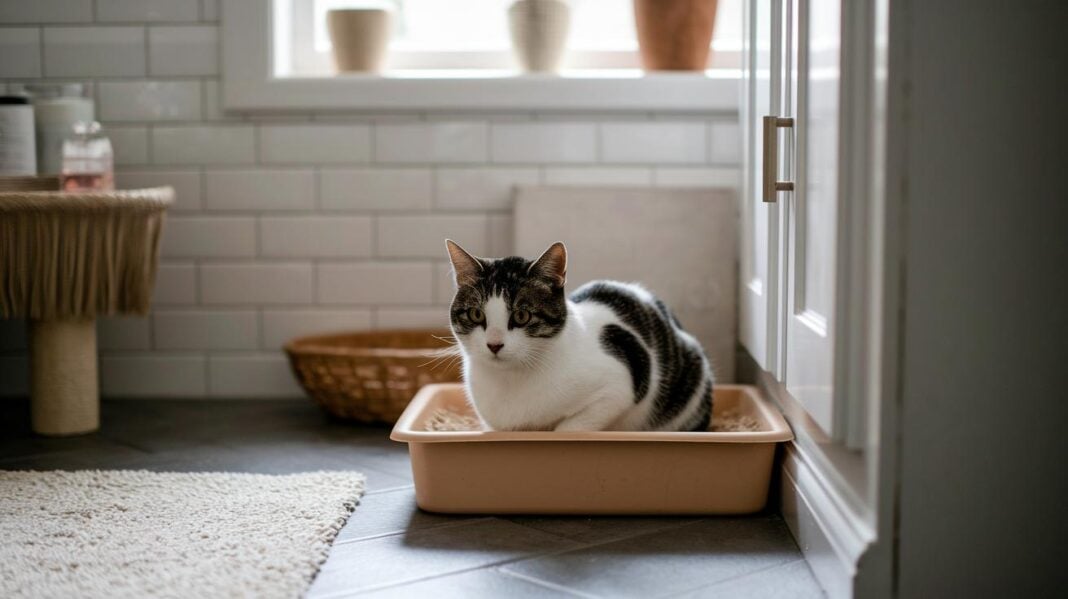
Quick verdict: A shallow litter box can make your cat feel uneasy. For most cats, 2 to 3 inches of litter offers comfort and helps lock in odors.
At a glance:
- 2 to 3 inches of litter is ideal for digging and covering waste.
- The right depth can boost your cat’s comfort and keep your home fresh.
Why we tested it: We noticed that when litter is too shallow, cats don’t have enough space to dig and cover their waste properly. Just like a comfy mattress supports your sleep, the proper litter depth gives your cat the space it needs to feel secure.
Pros:
- Helps control odors.
- Provides a natural digging spot for cats.
- Enhances your pet’s comfort.
Cons:
- Too little litter can lead to unease.
- Requires periodic depth checks and adjustments.
Bottom line: For busy pet owners, simply topping up your litter box to 2 to 3 inches can make a big difference in your cat’s well-being and your home's freshness. Give it a try and see the improvement yourself.
how deep should cat litter be: Comfort Boost
Getting the right litter depth matters for keeping odors down and making sure your cat is comfortable. We recommend filling most boxes with 2 to 3 inches of litter. This amount lets your cat dig, cover waste, and form clumps that trap moisture and smells. For clumping litter, using 3 to 4 inches can help form stronger clumps that are easier to scoop.
Kittens and older cats often do better with a lighter layer, around 1 to 1.5 inches, so they can easily step in and out without feeling overwhelmed. For most adult cats, starting with 2 to 3 inches works well by backing up consistent clump formation and odor control.
Quick tip: A controlled litter depth of 2 to 3 inches can lower odor levels by about 40%, keeping your home fresher for you and your furry friend.
Choosing the right depth also helps with absorption and reduces the amount of litter tracked around the house, making your cat’s space both safe and inviting.
Why Cat Litter Depth Matters for Odor Control and Comfort
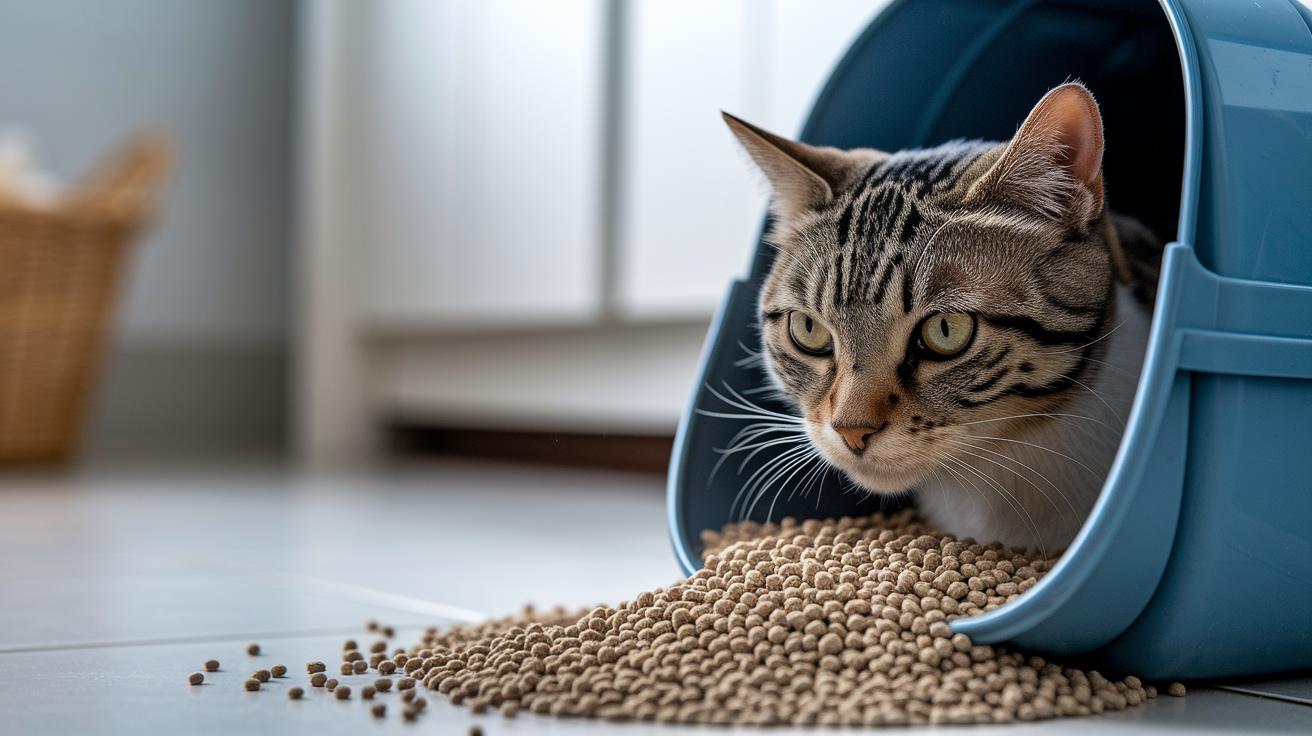
A 2 to 3-inch layer of litter works best. This depth lets the litter soak up urine and form tight clumps that you can easily scoop. Research shows that with less than 2 inches, clumps break down and urine runs along the box walls. In simple terms, using too little litter can make the box messy and off-putting for your cat.
On the other hand, filling the box with more than 3 inches of litter creates problems too. An overly deep layer makes the surface uneven and stops clumps from forming right. This leads to scattered litter, damp spots, and stronger odors that cause you to clean more often.
Keeping a steady 2 to 3-inch layer also helps your cat cover its waste naturally. This prevents buildup along the sides of the box and keeps the area clean. Tests confirm that an even layer of litter gives the best odor control and comfort for your pet.
Adjusting Litter Depth for Different Boxes and Cat Needs
Different litter box styles need a bit of tweaking to work best for your cat and your cleaning routine. In open pans, your cat can dig freely, so a layer of 2 to 3 inches works well. For covered boxes, a thinner spread of around 2 inches helps keep bad smells in check. High-sided and top-entry boxes can hold up to 3 inches without causing too much litter to stick to your cat’s paws. Automatic self-cleaning boxes need a precise layer, usually about 2 inches, to protect their sensors and motors.
Kittens and older cats do better with a lighter layer because it makes them feel more secure when they step in and out. A depth of 1 to 1.5 inches is a good start for these sensitive groups. Larger boxes might need extra litter overall to maintain the right depth. In humid rooms, keeping the litter a little shallower can help prevent clumps from breaking down into a messy slurry.
| Scenario | Recommended Depth |
|---|---|
| Open Pans | 2 – 3 inches |
| Covered Boxes | 2 inches |
| High-sided/Top-entry | Up to 3 inches |
| Automatic Self-cleaning | About 2 inches |
| Kittens/Seniors | 1 – 1.5 inches |
Keep an eye on the setup. If you find that litter is tracking too much or waste isn’t fully covered, try adjusting the depth by half an inch. Regular checks and small tweaks can help keep the box fresh and comfortable for your cat.
Common Signs of Incorrect Litter Depth and How to Correct It
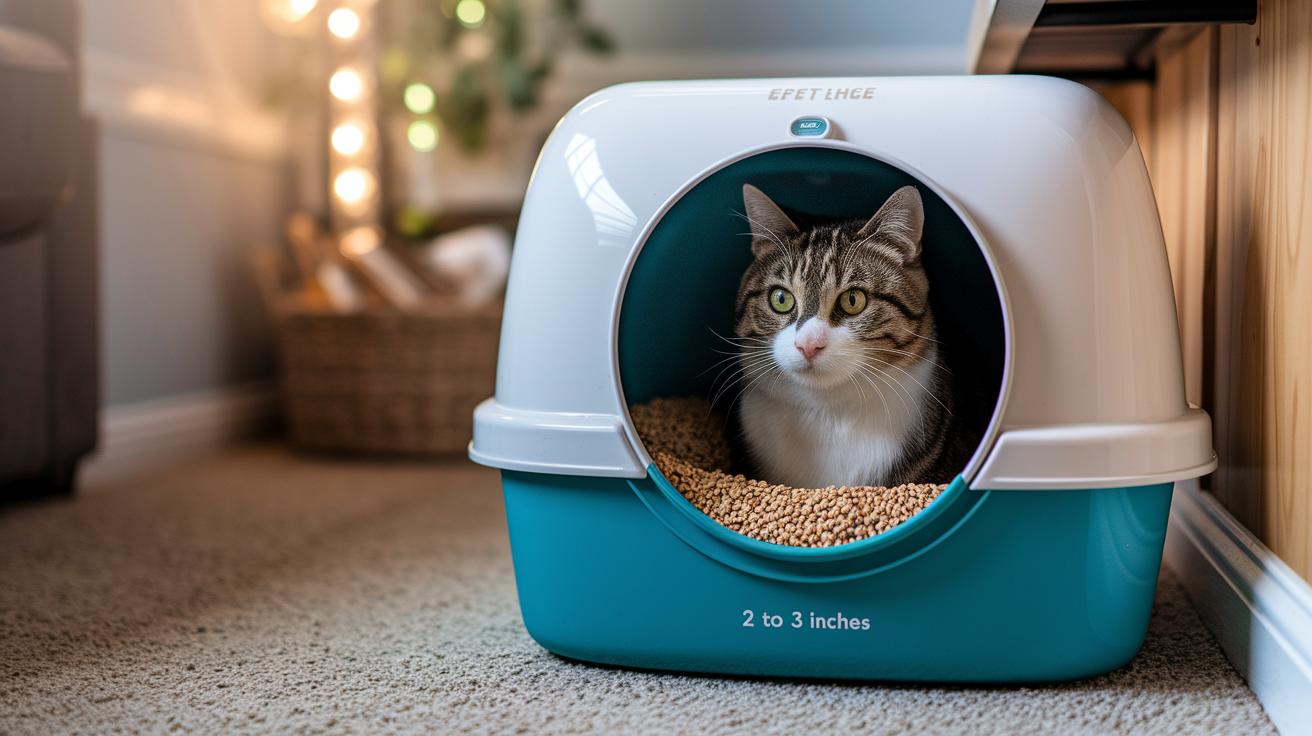
If your cat seems off or the litter box looks strange, the litter level might be to blame. Too little or too much litter can lead to clumps that break apart, lingering smells, and changes in your cat's routine. Try adjusting the litter in 0.5-inch steps until you reach a layer of about 2 to 3 inches.
- Poor clump formation: When clumps fall apart too easily, add an extra 0.5 inch of litter.
- Lingering odors: A thin layer can allow urine to seep along the sides. Add a bit more to help absorb moisture.
- Box avoidance: Your cat may seem hesitant to use the box if the litter is too shallow or too deep. Aim for a medium depth of 2 to 3 inches.
- Litter sticking to walls: If you see litter build-up on the sides, reduce the depth slightly.
- Excessive digging: A very deep layer can form loose piles that your cat may dig too much. Lower the litter by 0.5 inch.
- More litter tracking: Uneven litter can stick to paws and spread around. Adjust the depth until you see less tracking.
Best Practices for Measuring and Maintaining Proper Litter Depth
Keeping the right litter depth is key for your cat's comfort and cleanliness. Grab a ruler or a simple depth gauge to make sure the litter is 2 to 3 inches deep from the bottom. This helps your cat dig and cover waste properly and makes clumping and odor control work better.
After you scoop the box, add more litter every one to two weeks so the depth stays just right. Clean the sides and liner of the box once a week with a pet-safe cleaner to get rid of any build-up. This regular touch-up keeps the box fresh for your cat.
Also, empty and deep clean the whole litter box every month. A good scrub helps stop bacteria from building up and keeps the litter at the proper level. If you have more than one cat, check the litter twice a week to control smells, improve urine absorption, and keep the surface even and inviting for your pet.
Tailoring Litter Depth by Material: Clumping vs. Non-Clumping
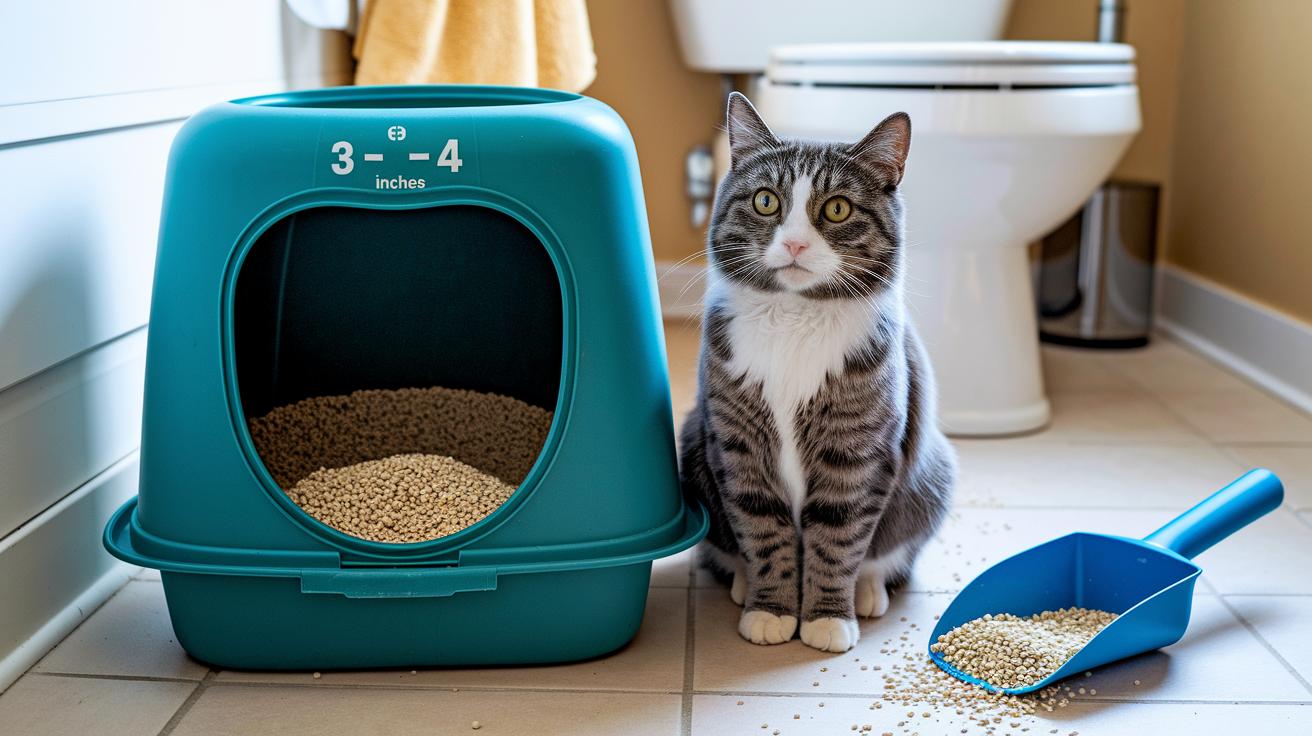
For clumping litter, a depth of 3 to 4 inches works best. At this depth, the litter forms firm clumps that are easy to scoop and do a good job controlling smells. If you add more than 4 inches, the litter may not hold together well and can become uneven, leading to messes outside the box.
When you try a new clumping litter, keep an eye on how the clumps form and if any odors start to develop. If the clumps seem crumbly, lower the depth by 0.5 inches at a time until you get a steady, even layer.
For non-clumping options like crystal or pellet litter, a layer of 2 to 3 inches is ideal to absorb moisture. Wood or paper litters work well at about 2 inches deep. Start with these recommendations and watch how the litter performs for about a week. If you notice issues with moisture or odor, adjust the depth in half-inch steps until you find the best balance for your cat and your home.
Final Words
In the action, this post broke down the ideal cat litter depth, addressing hygiene, odor control, and ease of maintenance. We covered best practices for measuring, signs of wrong depths, and adjustments for different boxes and litter types. Keeping the right amount not only helps control smells but also makes sure your cat digs and settles in comfort. By knowing how deep should cat litter be, you can ensure a healthful and tidy space for your furry friend. Stick with these tips for a cleaner, happier cat box experience.
FAQ
How deep should cat litter be reddit
The ideal depth is about 2–3 inches. This amount supports proper clumping, minimizes odor, and is gentle on paws, as many Reddit users suggest.
How deep should cat litter be in a litter box
In a litter box, a 2–3 inch layer is suggested. This depth aids in effective clumping, odor control, and meets most cats’ digging needs.
How deep should cat litter be for kittens
For kittens, a shallower layer of 1–1.5 inches works best. This depth makes it easier for them to dig and reduces discomfort for their small paws.
How much litter to put in litter box for a kitten
Start with a 1–1.5 inch layer of litter for a kitten’s box. This amount is easy for them to manage and minimizes the risk of mess while still encouraging use.
How much litter to put in litter box for 2 cats
For two cats, ensure a 2–3 inch depth in a larger box. This setup supports proper clumping and odor control while giving both cats ample room.
How much cat litter to use per month
Monthly usage depends on cat number and box size, but using a 2–3 inch depth may require roughly 10–15 pounds per cat. Adjust based on your pet’s habits and box dimensions.
How big should a litter box be
A litter box should be large enough for free movement; generally, around 18 inches square (46 x 46 cm) or larger. This size helps prevent mess and supports comfortable use.
How often should cat litter be changed
Scoop the box daily and top off every 1–2 weeks. A full litter change may be needed monthly, depending on the number of cats and overall usage for optimal hygiene.
What is the 3-3-3 rule for cats?
The 3-3-3 rule involves scooping for three days, completely changing litter every three weeks, and having three litter boxes for three cats. This routine helps manage odor and maintain cleanliness.
Is 2 inches of cat litter enough?
A 2-inch depth is generally sufficient for clumping litter. It offers good clump formation and odor control, though you might need slight adjustments based on your cat’s activity and litter type.
What is the N 1 rule for cats?
The N 1 rule means having one more litter box than the number of cats. This practice reduces competition and encourages consistent use among all your cats.
Where is the best place to put a litter box?
Place the litter box in a quiet, low-traffic area with easy access. This improves comfort for your cat, reduces tracking, and helps keep odors contained.