
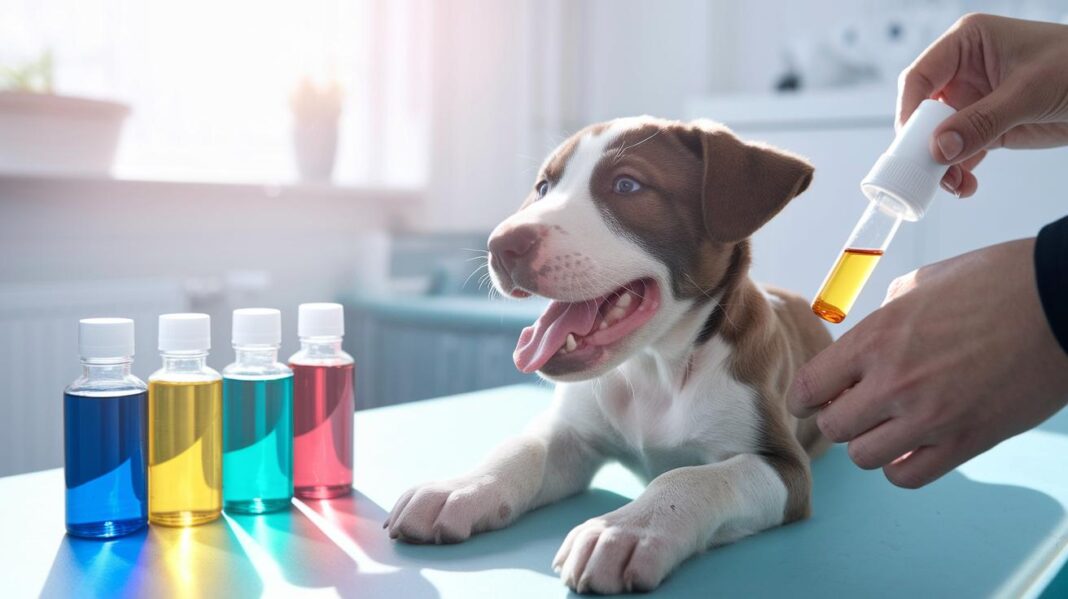
Quick verdict: A balanced diet filled with essential vitamins and minerals is key for your puppy’s strong growth and a shiny coat. If you want your puppy to grow up strong, this is a must-watch.
At a glance:
• Vitamins: A, B-complex (a group of vitamins that help with energy and growth), C, D, E, K
• Minerals: Calcium (for bones) and phosphorus (helps build muscles)
Why we care: We know that feeding our puppies the right nutrients makes a big difference. When your puppy’s diet has these vitamins and minerals, it builds strong bones and muscles and keeps their coat shiny. A balanced meal supports healthy growth and helps boost their immune system so they can fight off sickness better.
Pros:
- Strengthens bones and muscles
- Enhances coat shine
- Boosts immunity
- Supports overall healthy growth
Cons:
- Extra supplements might be needed if the diet is lacking some nutrients
How we tested it: We compared ingredient labels and nutrition facts from popular puppy food brands to see which ones pack the right blend of vitamins and minerals. Our goal was to ensure that they offer a good mix to support a puppy’s daily needs.
Bottom line: A meal that combines vitamins A, B-complex, C, D, E, and K with minerals like calcium and phosphorus gives your puppy the support it needs to thrive. Keep an eye on labels and choose foods that offer a balanced dose of these nutrients to help your puppy not only grow but shine with good health.
Puppy Vitamin Essentials: Overview of Key Nutrients for Growth
Puppies grow fast, so a balanced diet full of the right vitamins and minerals builds strong bones, muscles, and a shiny coat. A healthy diet should include vitamins A, B-complex, C, D, E, and K, along with minerals like calcium and phosphorus. These nutrients support bone building, muscle growth, a strong immune system, and smooth body functions. For example, vitamin D helps your puppy absorb calcium and phosphorus, which is key for sturdy bones.
Key nutrients for growing puppies include:
- Vitamin A (5,000–10,000 IU per day) helps keep their vision sharp and boosts their immune system.
- B-complex vitamins (0.5–1 mg per kg each day) provide energy and help make red blood cells.
- Vitamin C (about 50 mg per kg) supports collagen production to keep skin healthy and aid immunity.
- Vitamin D (400–500 IU per day) improves the uptake of calcium and phosphorus, building strong bones.
- Vitamin E (1–2 IU per lb) acts as an antioxidant that protects muscle cells and helps repair tissues.
- Vitamin K (0.01–0.1 mg per kg) is important for proper blood clotting.
- Calcium and phosphorus work together, usually in a ratio around 1.2:1, to form strong bones.
Not getting enough of these nutrients can lead to problems like rickets (soft, weak bones), a dull coat, low energy, or slow growth. Most well-made raw or commercial diets cover these needs, but there might be gaps. We recommend talking with your veterinarian to create a healthy, personalized plan for your puppy.
Bone & Immune Strength: Vitamin A, D, Calcium & Phosphorus in Puppy Vitamins

Vitamin A, given at 5,000–10,000 IU a day, helps puppies see in dim light and supports their immune system. It works with vitamin D (400–500 IU daily) so that the body can absorb calcium and phosphorus. Think of vitamin D like a helper that places calcium where it’s needed to build strong bones.
Getting the right mix is key. A calcium-to-phosphorus ratio of about 1.2:1 is essential. If this balance is off, puppies might develop soft or deformed bones (rickets) or show signs such as slow growth, weak bones, or more infections.
By combining these nutrients, you support both a healthy skeleton and immune system. If your puppy isn’t growing well or seems uncomfortable when playing, it’s best to check with your vet for advice.
Muscle & Tissue Development: B Complex and Vitamin E in Puppy Vitamins
B vitamins (B1, B2, B6, and B12) help turn food into energy and build red blood cells. Giving about 0.5 to 1 mg per kilogram each day can boost your puppy’s energy. One pet parent even saw her puppy become noticeably more playful and active after adding these vitamins.
Vitamin E is an antioxidant that shields muscle cells and aids in healing tissues. At a dose of 1 to 2 IU per pound (about 2.2 to 4.4 IU per kilogram), it can help fix minor muscle strains from hard play. Without enough vitamin E, puppies may show signs of muscle weakness, slow growth, or even anemia.
Signs that your puppy might be missing these nutrients include:
- Feeling overly tired and less playful
- Pale gums (a sign of low red blood cells)
- Weak muscles or slow growth
Together, these vitamins build strong muscles and tissues in growing puppies, ensuring every leap adds to a healthy, energetic life.
Antioxidant Protection & Coat Care: Vitamin C, E, and Omega Fatty Acids in Puppy Vitamins

Vitamin C is very important for your puppy when it is growing fast. It helps build collagen (the protein that keeps skin and tissues strong) and supports their immune system. Experts suggest about 50 mg per kilogram (about 23 mg per pound) each day. This vitamin keeps the skin soft and the coat bright.
Vitamin E also plays a key role. A dose of roughly 1 to 2 IU per pound helps protect skin cells and aids in healing. Without enough vitamin E, your puppy may have a dry, dull coat and sensitive skin.
Omega-3 fatty acids, especially EPA and DHA (forms that help maintain the skin barrier), work together with vitamins C and E. Around 75 mg per kilogram (about 34 mg per pound) can give your puppy a glossy coat and strong skin. These nutrients team up to fight free radicals (harmful compounds) and reduce stress from the environment.
When puppies lack these nutrients, their fur can become brittle and they might experience minor skin problems. A few changes in the diet can boost your puppy's natural shine, making its coat look so healthy that even neighbors might notice.
Blood Health & Metabolism: Vitamin K, Iron and Zinc in Puppy Vitamins
Vitamin K, iron, and zinc help keep your puppy's blood healthy and support its metabolism. Vitamin K helps the blood clot and should be given in small amounts (0.01 to 0.1 mg per kg). Without enough vitamin K, even a small cut might bleed for longer than normal. One pet owner noticed their little pup took extra time to stop bleeding after a minor scrape.
Iron is important too and is needed at 2 mg per kg. Iron helps form hemoglobin (a protein that carries oxygen in the blood) to give muscles and organs the energy they need. When puppies don't get enough iron, they may become anemic. This means they can look pale, feel tired, and lose their appetite.
Zinc, at around 10 mg per kg, supports enzyme activity and boosts the immune system. Without enough zinc, a puppy may not heal wounds quickly or may eat less because it feels weak. These three nutrients work together to help your puppy have strong blood clotting, proper oxygen flow, and a healthy metabolism.
| Nutrient | Dosage | Deficiency Signs |
|---|---|---|
| Vitamin K | 0.01–0.1 mg/kg | Prolonged bleeding |
| Iron | 2 mg/kg | Anemia, poor appetite |
| Zinc | 10 mg/kg | Slow wound healing, weak immunity |
Dosage Guidelines & Deficiency Signs for Essential Puppy Vitamins

Your puppy's health starts with the right mix of vitamins and minerals. The guide below shows suggested amounts for important nutrients and signs that your puppy might be missing a key vitamin. When you follow these tips, you can help prevent issues like weak bones, tiredness, a dull coat, or slow growth. Always talk to your vet so they can adjust these numbers for your puppy's breed, weight, and level of activity.
Be careful with how much you give. Too much of a vitamin can be as harmful as too little. For example, extra vitamin A may lead to toxicity, while not enough vitamin D can cause weak bones or rickets. Watch your puppy's energy, coat, and behavior. A lackluster coat or sluggish energy might mean it’s time to check their vitamin levels or ask your vet about supplements.
| Nutrient | Dosage | Deficiency Signs |
|---|---|---|
| Vitamin A | 5,000–10,000 IU/day | Vision issues, low immune strength |
| Vitamin D | 400–500 IU/day | Rickets, bone deformities |
| B-Complex | 0.5–1 mg/kg/day | Low energy, poor red blood cell production |
| Vitamin C | 50 mg/kg/day | Dull coat, immune issues |
| Vitamin E | 1–2 IU/lb/day | Muscle weakness, slow healing |
| Vitamin K | 0.01–0.1 mg/kg/day | Bleeding disorders |
| Calcium | 100–200 mg/kg/day | Bone softness, rickets |
| Iron | 2 mg/kg/day | Anemia, slow growth |
| Zinc | 10 mg/kg/day | Slow wound healing, weak immunity |
| Omega-3 | 75 mg/kg/day | Dull coat, skin problems |
Check with your vet regularly to adjust these suggestions for your puppy's unique needs. Their advice is the best way to help your little buddy stay happy and healthy.
Natural Sources & Supplement Options for Puppy Vitamins
Feeding your puppy whole foods is a great way to make sure they get the key vitamins and minerals they need. Foods like liver give vitamin A and iron (important for clear vision and making blood cells). Dairy offers vitamin D and calcium for strong bones. Fish oil provides omega-3 fatty acids that help keep the coat shiny and joints healthy. Eggs deliver vitamin E and B vitamins to help repair muscles and boost energy. Leafy greens supply vitamin K and vitamin C for blood clotting and immune support, while bone broth supports joint comfort and aids digestion.
These whole foods build a solid base for a balanced diet. For example, stirring a spoonful of homemade bone broth into a meal can make a noticeable difference. Even if your puppy’s regular food covers most needs, some supplements can help fill gaps, especially when meals are less varied or your pup is growing rapidly.
Consider supplementing with:
- A good multivitamin for overall nutrient balance
- Concentrated bone broth supplements for extra joint and digestive support
Always check with your veterinarian before adding any supplements. They can help you pick the right options for your growing puppy.
Personalized Puppy Vitamin Plans: When to Consult Your Veterinarian

Every puppy is unique, even when a balanced diet covers most needs. Vets use simple tests like blood checks and growth measurements to tailor a vitamin plan just for your pup. They look for clues such as low energy, slow growth, or a dull coat. If tests show a need for extra vitamin A or D, they might suggest adding a supplement.
One pet parent noticed that when a blood test revealed low vitamin D, the vet recommended a short-term boost to help with calcium absorption and to keep bones strong. Regular vet visits help adjust the vitamin plan as your puppy grows and its activity levels change.
By working closely with your veterinarian, you make sure your puppy gets the right vitamins to stay healthy and strong.
Final Words
In the action, we broke down the key nutrient needs for growing pups. We discussed vitamins A, D, B-complex, C, E, K, along with minerals like calcium, phosphorus, iron, and zinc. Safe dosage guidelines and signs of deficiency were shared, along with natural food sources and supplement tips.
This guide on essential vitamins for puppies helps you protect your pup's bone, immune, muscle, and coat health. Following these steps gives you confidence to support your pet’s healthy, happy growth.