
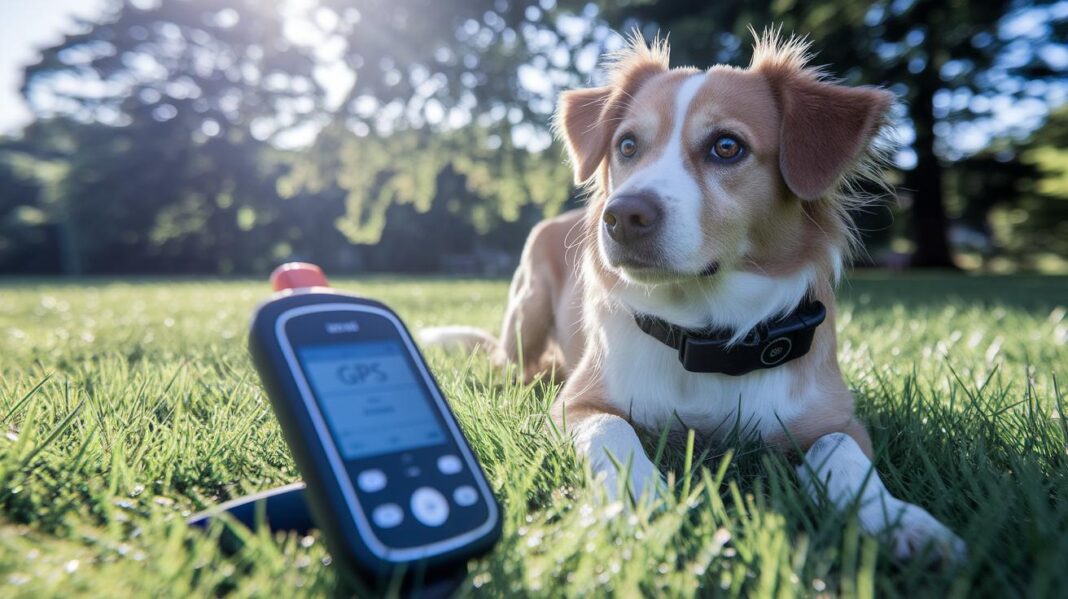
Quick verdict: Dog GPS trackers are a handy tool for any pet owner who wants to know exactly where their dog is at all times.
These small devices work like a simple digital map. They use signals from satellites and nearby cell towers (phones' signal sources) to show your dog's position every few seconds. Even if your dog wanders off unexpectedly, you get an instant update.
This clear and steady view means you can relax during walks and playtime. It’s a smart way to keep your furry friend safe while giving you peace of mind.
How dog GPS trackers locate and monitor your dog's real-time movements
Dog GPS trackers use both satellite signals and cell networks to watch your dog's movements in real time. The collar picks up signals from satellites and sends them through a cell network to give you live updates. This means you can see where your pet is almost every few seconds.
These trackers have a smart locator that measures your dog's position very accurately. The collar gathers the location data, and with built-in maps, it shows you the exact path your pet follows. Even if your dog wanders off the usual path, you can track every step.
Cell service is key for this real-time info. When your pet moves into an area with a strong signal, the updates come through quickly and clearly. Most models use both satellite signals and cell networks so one can back up the other if needed.
This blend of tech makes sure you always have a clear and steady view of your dog's moves. Whether your pet explores a busy park or a quiet street, you get updates fast and on time, giving you extra peace of mind.
Key features to consider when choosing a dog GPS tracker
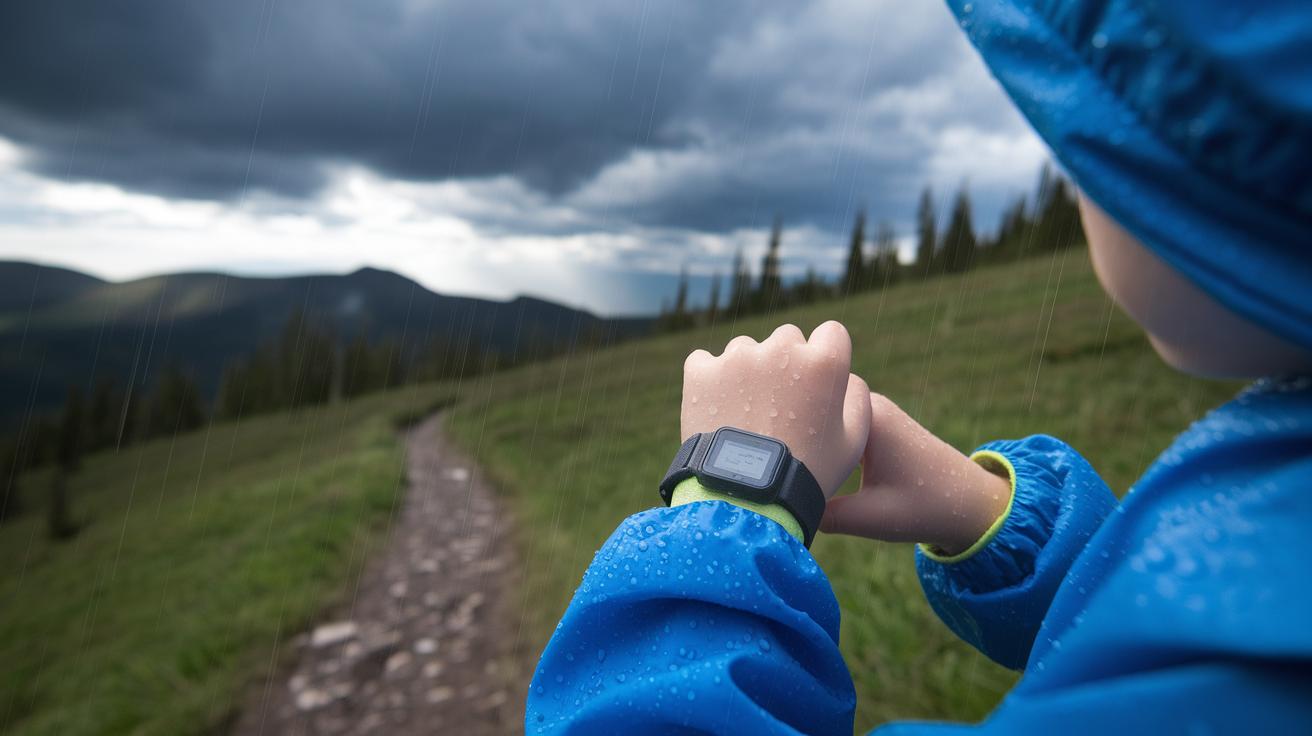
Battery life is a must-check. Some trackers last only a few days, while others run up to three months on one charge. Longer battery life might mean fewer location updates or a reliance on your home Wi-Fi. One user said, "This tracker lasted almost a month on one charge when set to update every few minutes." That extra power can really help on long outings.
Weatherproof and rugged designs are just as important. Look for ratings such as IP68, IPX8, IP67, or 1ATM. These numbers show that the tracker can handle rain, splashes, or even a quick dive into water. Picture a tracker that keeps working even on the stormiest days.
Don't forget the collar's build quality. A sturdy collar helps keep the tracker securely in place. Also, consider the weight. Some models weigh between 29 grams and 39 grams (about 1 to 1.4 ounces). Big dogs might manage a heavier device, but smaller breeds will benefit from a lighter tracker. One owner mentioned, "The lightweight tracker felt almost unnoticeable on my small dog."
Accuracy is key. Trackers that refresh every few seconds are very helpful during emergencies, giving you real-time updates on your pet's location. In short, the best choice will balance battery life, durability, size, and accuracy to suit your lifestyle and your pet's energy level.
Top dog GPS tracker models compared: price, subscriptions, and value
Tractive GPS Tracker is our best overall pick. It costs $69 upfront, with an option to add a £12 per month plan if you need extra features. One pet owner said, "This tracker hit the sweet spot for us," which shows it offers solid value and reliable performance.
Apple AirTag is great for budget-minded buyers at just $29 one-time. Its simple design works well for basic tracking, though the Bluetooth range may not cover long distances. It works best for smaller dogs or if you only need a simple way to know your pet’s location.
For those who need tracking over larger areas, the Garmin Alpha T 20 is a strong choice. This device costs about $300 for the collar plus over $400 for the handheld unit. It uses a fixed nine-mile range powered by satellite signals, ideal for open and rural areas. The only downside is its bulky design, which might not suit every breed.
If advanced features like detailed activity tracking and geofencing are important to you, the Whistle Go Explore 2.0 deserves a look. Priced at $129, it gives you detailed insights but may drain its battery faster during continuous use.
The Fi Series 3 offers a different kind of value. You get the tracker free when you sign up for their subscription. It has a sleek, low-profile design, though its simple strap might not be as durable as some would like.
Petcube is an economical option at $40. While it gives you good value, some users have experienced occasional location dropouts on hiking trails, so it may not be the best for long adventures.
The Whistle Switch comes in at $149 and needs a subscription. Its performance can be mixed, with cellular alerts that sometimes don’t work reliably, depending on the AT&T network in your area.
| Model | Upfront Cost | Subscription | Key Feature / Concern |
|---|---|---|---|
| Tractive GPS Tracker | $69 | Optional £12/mo | Solid overall value |
| Apple AirTag | $29 | None | Simple; limited Bluetooth range |
| Garmin Alpha T 20 | $300+ | Varies | Nine-mile fixed range; bulky design |
| Whistle Go Explore 2.0 | $129 | Subscription via plan | Detailed tracking; faster battery drain |
| Fi Series 3 | Included with subscription | Required | Sleek design; basic strap durability |
| Petcube | $40 | N/A | Good value; occasional location dropouts |
| Whistle Switch | $149 | Subscription required | Mixed performance; cellular alerts depend on network |
Each tracker has its own strengths and tradeoffs. Consider your dog's size, where you usually walk or run with your pet, and which features are most important to you to pick the best option for your needs.
Using the dog GPS tracker mobile app: geofencing, alerts, and multi-pet monitoring

This app is your go-to hub for keeping your pet safe in real time. With its geofencing feature, you can draw virtual borders, say, a circle around your yard, and get an instant alert if your dog leaves the safe area. One user mentioned, "I set up my own little safety zone, and the alert came within seconds." Quick notifications like these let you step in fast if your pet wanders off.
The app also tracks every walk your pet takes. It records the routes and shows key details like distance walked and how active your dog was. Think of it as a simple health report that helps you see when your dog might need a bit more exercise.
For families with multiple pets, the app lets you view several trackers on one screen. You can get real-time alerts for each pet without switching between devices. This is a big plus compared to tools like AirTag, which only work within Bluetooth range. LTE collars and their apps give you wider, more reliable coverage.
Overall, the app makes pet safety easy by blending virtual safe zones with detailed activity tracking. You can always know where your pet is and how active they are during daily outings.
Installation, setup, and firmware updates for dog GPS trackers
First, make sure your tracker is fully charged for the best performance. Once charged, press the power button and follow the easy pairing steps on its mobile app.
The user manual is clear about every step. It tells you how to activate the SIM card, plug in the charger or use a wireless pad, and secure the tracker with velcro straps or special clips.
After pairing the device, check for any firmware updates. Installing these updates adds new features, fixes bugs, and keeps your pet's data secure. Just follow the on-screen instructions. If you have trouble connecting, look at the troubleshooting tips in the manual. You might need to reset the tracker or move it to get a stronger signal.
Regular updates help keep the tracker accurate and reliable. By following these simple steps, you'll have peace of mind and keep your pet safe at all times.
Troubleshooting common issues and maintenance for dog GPS trackers
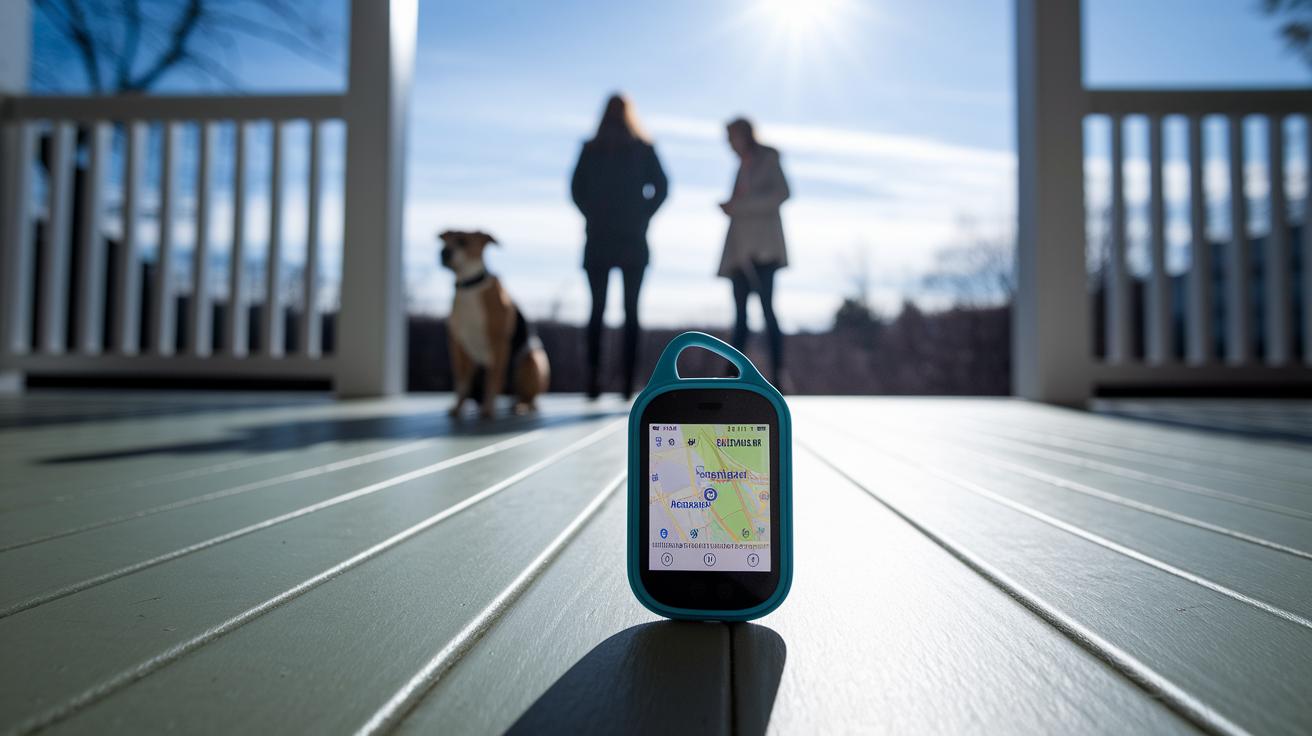
If your GPS tracker for your dog drops location data or shows a spotty signal, start by checking the network connection. Some trackers like Fi or Whistle can get affected by AT&T LTE-M limits, so be sure your tracker sits where cell signals are strongest.
When a device like Petcube or Whistle Switch gives intermittent location points, try these fixes:
- Full battery cycle: Let the battery run down completely, then charge it fully to reset its calibration.
- Device reset: Turn it off and on again to clear any small glitches.
- External signal booster: If you live in an area with weak coverage, a booster might help.
- Antenna repositioning: Adjust the collar or change the device angle to improve reception.
Regular firmware updates are key. Checking for updates ensures your GPS tracker gets the latest fixes and stronger encryption settings. Cleaning the device and the connector points on the collar also helps maintain battery life and keeps efficiency high.
For extra help, use your tracker’s built-in signal meter to check strength and follow the troubleshooting tips in the user manual. These steps help keep your tracker working reliably over time.
Final Words
In the action, we reviewed how dog GPS trackers use satellites and mobile networks for real-time canine monitoring. We broke down key features like durability, battery life, pricing, and the mobile app that sets safe zones. You now know what to look for when choosing a dog gps tracker and how the setup supports safety and ease of use. The guide gives you practical insights for making confident, informed decisions while keeping your pet secure. Enjoy peace of mind knowing your best friend is always just a click away.
FAQ
What is the best GPS tracker for dogs?
The best GPS tracker for dogs depends on your pet’s needs, budget, and features. For instance, some models like the Tractive provide real-time tracking, great battery life, and durability at an affordable price.
Is there a dog GPS tracker without a monthly fee?
Some trackers, like the Apple AirTag, work without a subscription by using Bluetooth, but they offer limited range compared to cellular models that need a fee for true real-time updates.
Are GPS trackers worth it for dogs?
GPS trackers are worth it for many pet owners as they offer real-time location updates, geofencing alerts, and peace of mind in keeping your dog safe in various environments.
Is GPS or AirTag better for dogs?
AirTags rely on Bluetooth and work best in crowded areas, while GPS trackers use cellular or satellite networks for real-time tracking over larger areas, making them more suitable for safety in wider spaces.
What do reviews say about dog GPS trackers?
Reviews show that dog GPS trackers vary in features like update frequency, battery life, and durability, with many users favoring models that balance cost with reliable real-time tracking and robust design.
What is the difference between a dog GPS tracker and a chip implant?
Chip implants store your pet’s identification details and do not provide real-time location updates, while GPS trackers monitor your dog’s movements continuously with modern tracking technology.
What should I know about the FitBark GPS dog tracker?
The FitBark GPS tracker offers activity monitoring and geofencing features, helping you track your dog’s exercise and ensure safety. It’s well-suited for owners wanting both location and health data at a glance.
What is the best dog tracker for remote areas?
In remote areas, choose a GPS tracker with strong satellite-assisted tracking and cellular coverage to maintain accurate real-time location updates even where signal strength is limited.
What options are available on Amazon for dog GPS trackers?
Amazon features various dog GPS trackers ranging from basic models to more advanced devices. User reviews often highlight factors like battery life, durability, and real-time update speed to guide your choice.
Are there dog activity trackers available?
Yes, many dog activity trackers, such as certain models from FitBark, combine GPS location with health metrics like exercise levels and rest patterns, offering a complete overview of your pet’s daily performance.
What does a dog GPS tracker tag refer to?
A dog GPS tracker tag, like the Apple AirTag, refers to a compact device that attaches to your dog’s collar. It uses nearby Bluetooth-enabled devices to help locate your pet when within range.