

Quick Verdict
If your dog's brush isn’t cutting it, this deshedding tool could be a game changer. It tackles the hidden undercoat fur that regular brushes often miss. It helps reduce allergens and loose hair around your home while boosting your pet’s overall coat health.
At a Glance
- Reaches deep coat layers to pull out loose fur
- Helps cut down on stray hair and allergens
- Gives your dog a cleaner, healthier look
Why We Tested It
We wanted to see if a tool that goes beyond the surface could really make a difference. Busy pet owners need a solution that cleans up messy shedding without complicated steps.
Pros and Cons
Pros:
- Simple and effective design
- Reduces allergens by removing more fur
- Easy to use on different coat types
Cons:
- Requires regular cleaning to remove buildup
- May take a bit of practice to master the technique
Who It’s Best For
This tool is ideal for pet owners whose dogs shed heavily and whose homes get cluttered with stray hair. If you’re looking for a tool that improves coat appearance while cutting down on allergens, this is worth a try.
How We Tested
We used the tool on dogs with thick undercoats in typical home settings. We observed how well it pulled out the loose fur, checked for any discomfort on the dog’s skin, and saw how much hair was left on furniture compared to using a regular brush.
Overall Performance
- Safety: Designed to be gentle if used properly
- Durability: Stands up well to regular use
- Ease of Cleaning: Quick rinse under warm water clears away fur
- Value: Saves time and keeps your home cleaner
Final Thoughts
If you’re frustrated with traditional brushes that only smooth the surface, give this deshedding tool a try. It digs into the deeper layers of your dog’s coat, helping to keep your pet looking great and your house hair-free.
Why Choose a Dog Deshedding Tool for Effective Shedding Control
Regular brushes only remove the hair on the surface and leave the hidden undercoat behind. A dog deshedding tool digs deeper and pulls out that loose undercoat. This gives you a more complete grooming job and keeps more fur off your floors.
Most brushes only touch the outer layer of hair. A proper de-shedding tool works on every layer of your dog's coat. It follows the natural shedding cycle that peaks in spring and fall, and even happens indoors all year. Fun fact: during heavy shedding times, some dogs lose a huge amount of undercoat that adds up fast around your home.
- Removes the undercoat, not just the top hair
- Reduces allergens by getting rid of dander and loose skin flakes
- Cuts down fur on furniture and floors
- Works well with all coat types, from short to long hair
- Fits into a simple weekly grooming routine
Using a smart de-shedding tool makes your dog's coat healthier and your home easier to clean. With fewer stray hairs, you spend less time cleaning and more time enjoying your pet. This tool is a practical way to keep your dog looking neat while keeping your home fur-friendly.
Key Features to Look for in a Dog Deshedding Tool
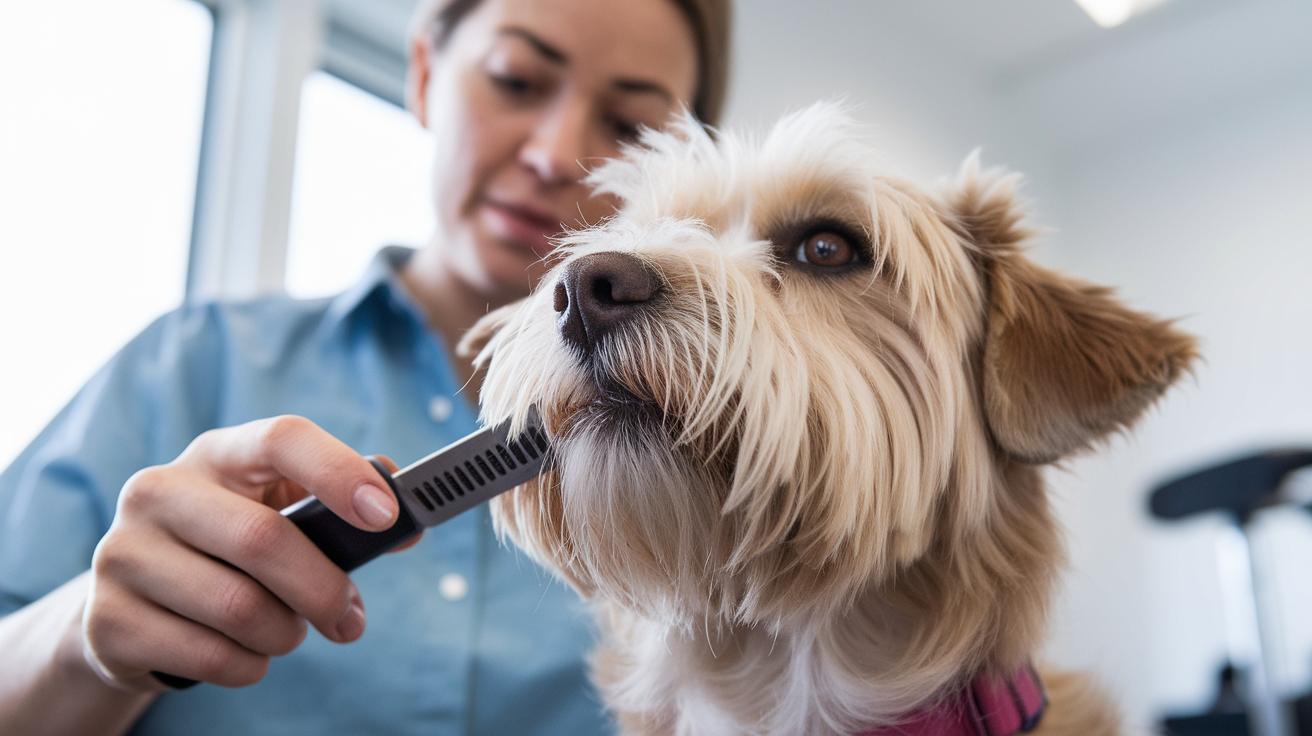
A good dog deshedding tool makes grooming easier and helps keep your pet’s coat healthy. It’s not just a comb, this tool digs into the undercoat to lift loose hair without upsetting your dog.
Look for these features:
• A de-shedding edge that reaches under the topcoat to remove hidden hair.
• An easy-clean slider that pushes out trapped fur quickly so you spend less time cleaning up.
• A non-slip, ergonomic handle that gives you a firm grip for one-handed use.
• Gentle stroke pressure so you don't press too hard and risk irritating your dog’s skin.
These design details not only make grooming simpler for you but also help keep your dog’s coat shiny and free from tangled hair. Whether your dog has long or short hair, choosing a tool with these features will lead to a smoother grooming routine and a healthier coat.
Comparing Long-Haired and Short-Haired Dog Deshedding Tools
Dogs have many types of coats, and the right tool can make groom time a lot easier. Some pet owners even report that popular items like the FURminator can have a one- to two-week wait because they work so well. Tools that lift out the hidden undercoat, not just the top layer, are in high demand, and they tackle what normal brushes often miss.
Long-hair and short-hair tools work in different ways. For dogs with thick, long coats, wider blades help pull out more of the loose undercoat. On the other hand, a comb with fine teeth is best for short-haired dogs, letting you remove hair neatly without hurting their skin. Both types are made to dig under the top layer where most shedding happens. For instance, if your dog has a lush coat like a Golden Retriever, you’ll do best with a wide-blade tool. But if your pet sports a smooth coat like a Beagle, a fine-tooth comb is the way to go.
In short, choose the tool that fits your dog's coat. Wide-blade tools work best for dense, long hair, while fine-tooth combs are ideal for smooth, short coats.
Using a Dog Deshedding Tool: Step-by-Step Grooming Guide

Before you begin grooming, get everything set up so your dog stays relaxed. Make sure your pet is calm in a familiar spot and that you have all your grooming supplies within reach. This helps make the session smooth and enjoyable for both of you.
- Pick a quiet spot – Choose a room or area where your dog feels safe and relaxed. A calm space makes grooming less stressful.
- Test on a small patch – Gently run the deshedding tool on a small area. This check helps ensure the tool moves smoothly and doesn't hurt your dog.
- Start at the neck – Begin grooming at your dog's neck since it is less sensitive. This helps your pet get used to the feel of the tool.
- Follow the hair growth – Glide the tool in the same direction as the hair. Use 1 to 2 slow strokes in each section to lift the undercoat without disturbing the top coat.
- Watch for skin changes – Look for signs of redness or irritation. If your dog shows discomfort, work through any knots lightly and adjust your pressure.
- Collect loose fur – As you groom, gather the loose hair into one pile for easy cleanup. The tool is designed to help collect scraps of fur in one spot.
Stick to this routine about once a week. Regular deshedding helps reduce fur around your home and keeps your dog's coat healthy and neat.
Maintenance and Care for Your Dog Deshedding Tool
Cleaning your tool often keeps it in good shape and makes grooming safe and easy. When it works well, it lasts longer and helps your weekly routine go smoother.
Start by pressing the clean-slider to remove all the fur at once. This one-press action saves you time. Next, rinse the blade with warm water and a little mild soap to wash away any hair or product buildup. After rinsing, dry the tool completely before putting it away so rust does not form.
For the best results, use cleaning solutions and replacement parts from Pet Grooming Supplies as they are made for pet tools. If the handle is not waterproof, just wipe it gently instead of dipping it in water. Store the tool in a dry place and make sure it is free of moisture.
Finally, check the blade each month for signs of wear. A small tear or dull edge can make it less effective. Regular inspections help catch problems early and keep your tool working at its best.
Selecting a Dog Deshedding Tool Based on Your Dog’s Coat Type
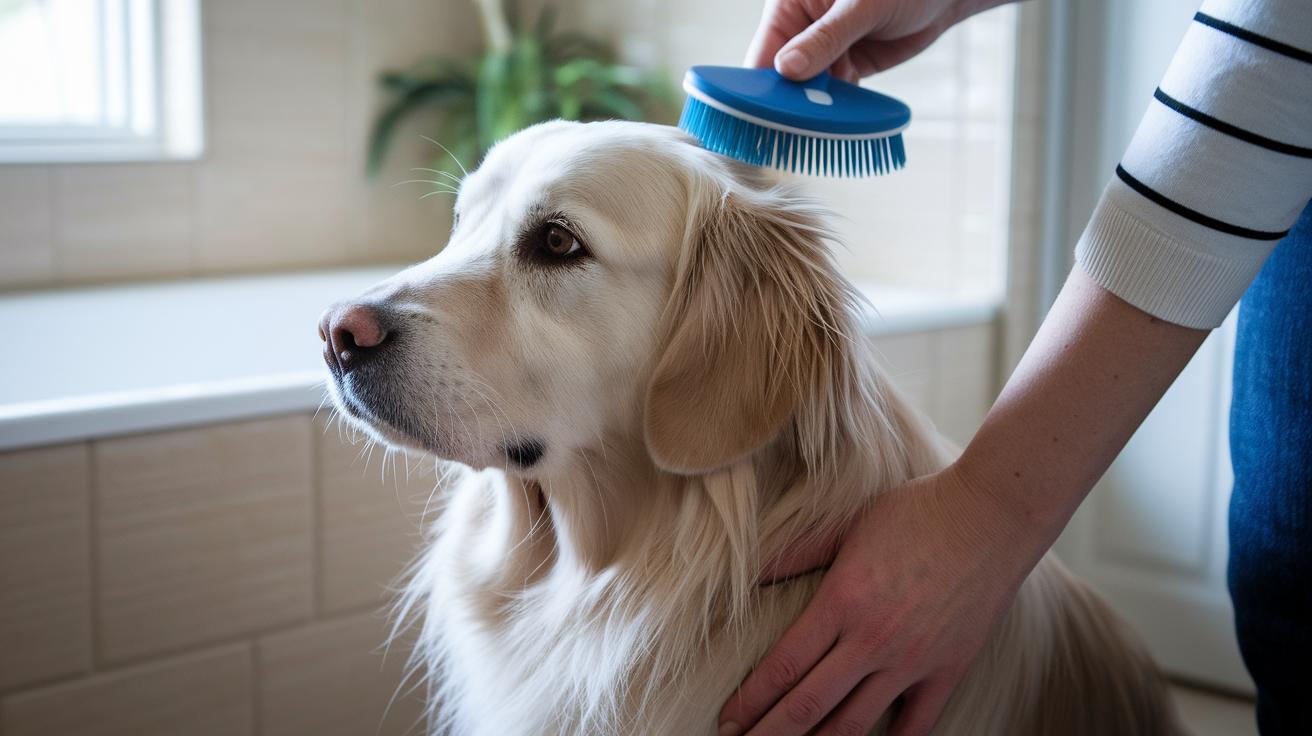
Dogs have different types of coats. Some dogs sport a single, light coat while others have two layers, a top coat you see and a thick, soft undercoat (the layer closest to the skin). Knowing which type your dog has is the first step in picking a good grooming tool.
When you understand your dog's coat, you can choose a tool that cleans both layers. Dogs with a single coat may only need a simple tool to remove loose hair. But pups with double coats need something that can reach the hidden fur without hurting the top layer. This careful grooming helps cut down on shedding and stops mats from forming.
Different tool styles can make a big difference. A fixed-blade scraper works well for dogs with one coat by giving a firm, even stroke. For breeds with two layers, an adjustable comb is best because you can set the blade depth to gently get at the dense undercoat. There are also dual-action tools that combine a de-shedding edge with a comb feature, perfect for dogs whose coats change with the seasons or have mixed textures. Some full grooming kits offer several options in one package. Using the right tool for your pet’s coat not only makes grooming easier but also keeps your dog’s coat happy and healthy.
dog deshedding tool Boosts Coat Happiness
High demand means orders are backlogged, and many buyers now wait one to two weeks. On Instagram, pet owners share their before-and-after photos with a special hashtag that shows the real difference in their pet's coat.
Some users say the tool cuts shedding by up to 90%. They notice less fur on furniture and a cleaner home. One pet owner shared, "I didn't expect my dog's coat to look so shiny and healthy after a single session." The improvement works across many coat types.
Groomers also recommend this tool for regular use. They say that using it weekly not only controls shedding but also boosts overall coat health. This makes it a smart pick for busy pet lovers who want to keep cleanup simple.
Final Words
In the action, we saw how a dog deshedding tool beats ordinary brushes by tackling the undercoat, making grooming easier and reducing loose fur around the home.
We explored key features like blade design, easy-clean systems, and ergonomic handles. We compared tools for long and short coats and walked through a step-by-step grooming guide.
These insights and real experiences show that starting a regular grooming routine with a proper dog deshedding tool can brighten your pet’s daily care.